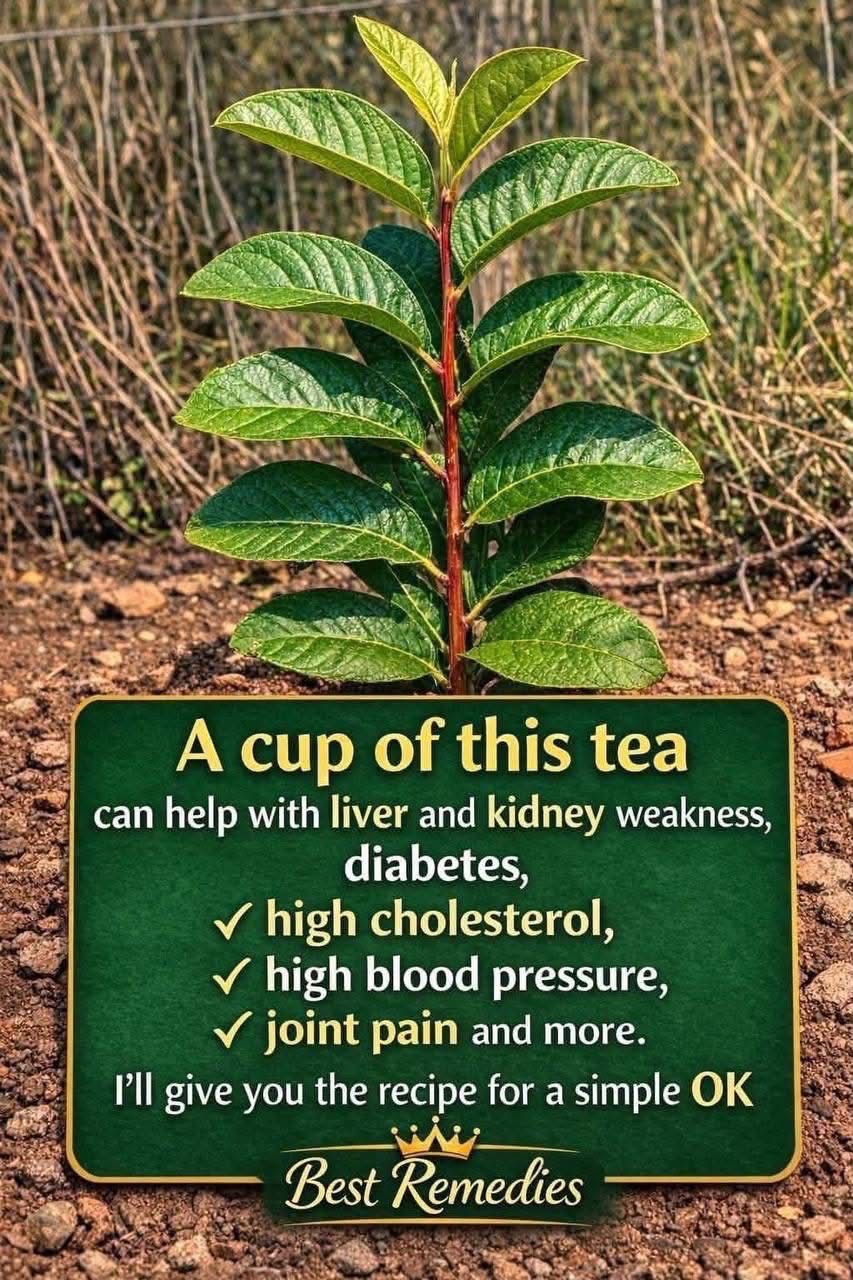
🍃 Simple Guava Leaf Tea
Ingredients
- 4–5 fresh young guava leaves, or about 1–2 teaspoons dried guava leaves
- 500 ml water
- 1 small slice of fresh ginger, optional
- A squeeze of lemon, optional
- ½–1 teaspoon honey, optional
If using fresh leaves, choose clean, healthy leaves from a plant that you have positively identified as guava and that has not been treated with pesticides or other chemicals.
🫖 How to Make It
1. Wash the leaves
Rinse the guava leaves thoroughly under clean running water.
Inspect them carefully and discard leaves with mold, unusual spots, insects, or other contamination.
2. Cut or tear the leaves
You can tear the fresh leaves into smaller pieces.
This increases the surface area exposed to the water and helps produce a more flavorful infusion.
3. Heat the water
Place 500 ml of water in a saucepan and bring it to a boil.
4. Add the leaves
Add the washed guava leaves to the hot water.
Reduce the heat and allow the mixture to simmer gently for approximately 5–10 minutes.
5. Strain
Remove the saucepan from the heat.
Strain the tea through a clean strainer and discard the leaves.
6. Add flavor
Allow the tea to cool slightly.
You can add a small piece of ginger, lemon juice, or a little honey according to your taste.
If you’re drinking it for general wellness, keeping it unsweetened or lightly sweetened makes sense.
🍃 What Does Guava Leaf Tea Actually Do?
Guava leaves contain various plant compounds, including polyphenols and flavonoids, which have been studied for their biological effects.
One review of guava-leaf extract reported evidence that guava-leaf tea may reduce the rise in blood glucose after meals. However, the research involved specific preparations and doses, so it shouldn’t be assumed that any homemade cup will have the same effect.
Research has also investigated guava leaves for cholesterol and other metabolic markers, but the evidence is not strong enough to describe guava tea as a treatment for diabetes or high cholesterol.
In other words, it’s reasonable to say:
“Guava leaves have been studied for potential metabolic benefits.”
It is not reasonable to promise:
“One cup cures diabetes, high cholesterol, high blood pressure, liver problems, kidney problems, and joint pain.”
🩸 Guava Leaves and Blood Sugar
This is one of the more interesting areas of research.
A review of guava-leaf tea found evidence suggesting that an aqueous guava-leaf extract may reduce post-meal blood glucose elevation. Some studies have also investigated longer-term metabolic effects.
However, this does not mean someone with diabetes should replace prescribed medication with guava tea.
Blood glucose can change significantly depending on diet, medication, exercise, illness, and many other factors.
If you have diabetes and want to drink guava tea regularly, monitor your glucose as recommended by your healthcare professional.
❤️ What About Cholesterol?
Guava has also been studied in relation to cholesterol and triglycerides.
Some older human research involving guava fruit, rather than simply homemade leaf tea, found improvements in certain cardiovascular risk markers when guava was incorporated into the diet.
That distinction matters.
Evidence about eating guava fruit shouldn’t automatically be presented as evidence that guava-leaf tea treats high cholesterol.
For high cholesterol, dietary changes, physical activity, and prescribed cholesterol-lowering treatment when appropriate remain much more important.
💧 Does It Strengthen the Kidneys or Liver?
This claim in the image needs considerable caution.
Guava leaves have been investigated in laboratory and animal research for antioxidant and metabolic effects, including effects involving liver and kidney markers. For example, one animal study found potentially protective effects from compounds isolated from guava leaves.
But animal research is not proof that drinking guava tea will repair human kidney or liver disease.
If someone has abnormal liver enzymes, kidney disease, reduced kidney function, or another medical condition, the appropriate approach is medical evaluation—not attempting to treat the condition with herbal tea.
🦴 What About Joint Pain?
Guava tea is sometimes promoted online for joint pain because of its antioxidant and anti-inflammatory properties.
However, there isn’t enough high-quality clinical evidence to say that a cup of guava-leaf tea will reliably relieve arthritis or other causes of joint pain.
Joint pain can have many causes, including osteoarthritis, injury, inflammatory conditions, infection, and other diseases.
Persistent or severe joint pain deserves appropriate evaluation.
🌿 Fresh Leaves or Dried Leaves?
Both can be used for a simple infusion.
Fresh leaves
Fresh guava leaves provide a mild herbal flavor.
For this recipe, start with approximately 4–5 leaves per 500 ml of water.
Dried leaves
Dried leaves can have a stronger flavor because water has been removed.
Start with approximately 1–2 teaspoons per 500 ml of water.
Because homemade herbal preparations aren’t standardized, there is no guaranteed equivalent between a particular number of fresh leaves and a measured dose of an extract.
🍋 Guava-Ginger Tea
If plain guava tea tastes too earthy, try this variation.
Ingredients
- 4–5 guava leaves
- 500 ml water
- 2 thin slices fresh ginger
- 1 teaspoon lemon juice
- ½ teaspoon honey, optional
Directions
- Wash the guava leaves.
- Place them in 500 ml water.
- Add the ginger.
- Simmer gently for 5–10 minutes.
- Strain.
- Let the tea cool slightly.
- Add lemon juice.
- Add a small amount of honey if desired.
The ginger and lemon make the drink much brighter and more pleasant.
⚠️ Important If You Take Medication
This is especially important if you’re interested in guava tea because of the claims about diabetes or cholesterol.
Guava-leaf preparations may influence glucose metabolism, and there has also been research examining possible interactions involving guava-leaf tea and medications.
Therefore, if you take:
- Diabetes medication
- Blood-pressure medication
- Blood thinners
- Cholesterol medication
- Other regular prescription medicines
it’s sensible to ask your doctor or pharmacist before using concentrated guava-leaf preparations regularly.
Don’t stop or reduce your medication because of an herbal tea.
🥤 How Much Should You Drink?
For a simple food-style beverage, one cup is a reasonable place to start rather than preparing a highly concentrated brew.
You don’t need to make extremely strong tea to obtain supposed health benefits.
More concentrated does not automatically mean more effective—and it may increase the likelihood of unwanted effects or interactions.
If you experience unusual symptoms after drinking it, stop using it.
🌱 A Simple 7-Day Wellness Routine
If you simply enjoy guava tea, you could incorporate it into a balanced routine:
Morning
Drink water and eat a nutritious breakfast containing protein and fiber.
Afternoon
Enjoy one cup of unsweetened guava-leaf tea if you like it.
Evening
Focus on a balanced meal, adequate hydration, and regular sleep.
The tea should be an addition to a healthy lifestyle, not the central treatment for a medical condition.
🍃 Recipe Card
Guava Leaf Herbal Tea
Ingredients
- 4–5 fresh guava leaves
- 500 ml water
- 2 slices ginger, optional
- Lemon juice, optional
- Honey, optional
Instructions
- Wash the leaves thoroughly.
- Tear them into smaller pieces.
- Add them to 500 ml water.
- Add ginger if desired.
- Simmer for 5–10 minutes.
- Strain.
- Allow to cool slightly.
- Add lemon or a little honey.
- Enjoy warm or chilled.
Preparation time: 5 minutes
Cooking time: 5–10 minutes
Servings: 2 cups
🌿 Final Thoughts
Guava-leaf tea is an interesting traditional beverage, and research has explored its possible effects on post-meal blood glucose and other metabolic measures.
But the viral image makes the claims much broader than the evidence supports. A cup of guava tea shouldn’t be described as a cure for diabetes, kidney or liver disease, high cholesterol, high blood pressure, or joint pain.