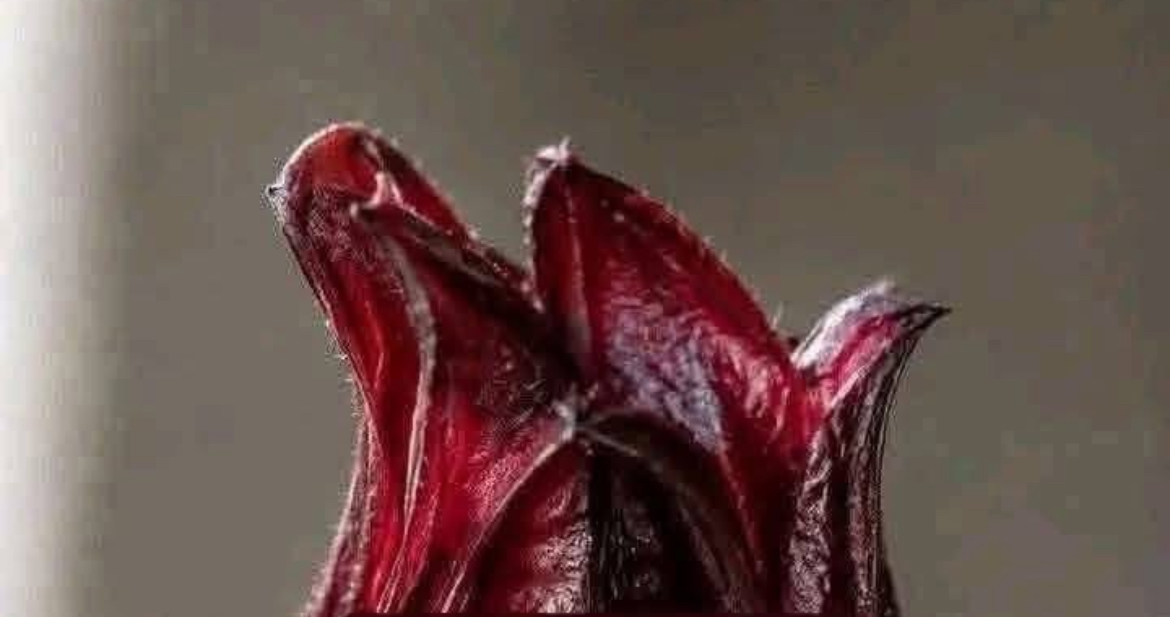
🌺 Simple Hibiscus Tea
Ingredients
- 1–2 tablespoons dried hibiscus calyces
- 500 ml water
- 1 teaspoon honey, optional
- 1–2 teaspoons fresh lemon juice, optional
- 2–3 fresh mint leaves, optional
- A small piece of fresh ginger, optional
You can adjust the amount of hibiscus depending on how strong and tart you like your tea.
🫖 How to Make Hibiscus Tea
Step 1: Prepare the hibiscus
Place the dried hibiscus calyces in a small teapot or saucepan.
Make sure you’re using food-grade hibiscus intended for tea, rather than an ornamental plant or unidentified dried flowers.
Step 2: Add water
Pour approximately 500 ml of water over the hibiscus.
Bring the mixture to a gentle boil.
Step 3: Simmer
Reduce the heat and simmer for approximately 5–10 minutes.
The water will gradually become a beautiful deep red color.
The longer you steep it, the stronger and more tart the flavor will become.
Step 4: Strain
Remove the tea from the heat and strain out the hibiscus.
Let it cool for a few minutes.
Step 5: Flavor it
Hibiscus naturally has a tart, cranberry-like flavor.
If you prefer it sweeter, add a small amount of honey.
You can also add fresh lemon, mint, or ginger.
Avoid adding large quantities of sugar if your goal is to make this a healthy everyday beverage.
🧊 Iced Hibiscus Tea
Hibiscus is particularly refreshing when served cold.
Prepare the tea using the recipe above and allow it to cool completely.
Pour it over ice and add:
- Fresh mint
- Lemon slices
- A few berries
- Orange slices, if desired
You can make a naturally colorful iced drink without needing soda or a large amount of added sugar.
🌺 What Are the Potential Benefits?
Hibiscus has been studied for several health-related effects, especially its possible effect on blood pressure.
A 2025 overview of reviews and updated meta-analysis included 26 randomized controlled trials involving 1,797 participants and found reductions in systolic and diastolic blood pressure with Hibiscus sabdariffa. The researchers also reported possible effects on some metabolic markers, although they emphasized the need for further research, particularly regarding long-term and therapeutic use.
Another systematic review found that hibiscus consumption reduced blood pressure compared with placebo, but it was not shown to be superior to antihypertensive medications.
The U.S. National Center for Complementary and Integrative Health similarly notes that roselle may help reduce blood pressure, but describes the evidence as limited and the effects as small.
That makes hibiscus an interesting beverage—not a replacement for medical treatment.
❤️ Hibiscus and Blood Pressure
This is probably the strongest claim in the image.
Hibiscus appears to have some potential to modestly lower blood pressure.
However, “regulates blood pressure” is too broad a statement.
If you have hypertension, don’t stop or reduce prescribed medication because you started drinking hibiscus tea.
Instead, think of unsweetened hibiscus tea as something that can potentially complement a healthy lifestyle.
If you regularly monitor your blood pressure, continue doing so and discuss significant changes with your healthcare professional.
🩸 What About Cholesterol?
The evidence is more complicated.
Some studies and reviews have reported improvements in certain lipid measurements, while other evidence has not found clear cholesterol-lowering effects. NCCIH specifically states that evidence has not established hibiscus as effective for cholesterol management.
Therefore, it would be misleading to say:
“Hibiscus tea will lower your cholesterol.”
A more accurate statement is:
Hibiscus has been studied for possible effects on cholesterol and other metabolic markers, but the evidence is not strong enough to treat it as a cholesterol-lowering therapy.
For high cholesterol, diet, exercise, and prescribed treatments remain much more important.
💧 Does Hibiscus “Clean the Kidneys”?
No special tea is required to “clean” healthy kidneys.
Your kidneys continuously filter your blood and regulate fluid and electrolyte balance.
Hibiscus tea may increase fluid intake simply because it is a beverage, but that is different from “detoxing” or washing toxins out of the kidneys.
If you have kidney disease, kidney stones, reduced kidney function, or another kidney condition, don’t assume that drinking large quantities of herbal tea will help.
Your fluid and dietary requirements may be different, so it’s better to follow medical advice.
⚖️ Can Hibiscus Activate Fat Loss?
This is another claim that should be treated cautiously.
There is research investigating hibiscus and body weight, but the evidence is not strong enough to describe ordinary hibiscus tea as a fat-burning drink.
Drinking unsweetened hibiscus tea instead of a sugary soda or sweetened juice could indirectly support a healthy calorie intake because you’re choosing a low-calorie beverage.
But that is very different from saying that hibiscus itself “burns fat.”
For sustainable weight management, the fundamentals remain:
- A balanced diet
- Appropriate calorie intake
- Adequate protein and fiber
- Regular physical activity
- Sufficient sleep
- Consistency over time
🌺 A 10-Day Hibiscus Routine
If you simply enjoy hibiscus and want to include it in your routine, you can make it a pleasant 10-day beverage habit.
Days 1–3
Drink one cup of unsweetened hibiscus tea and see how you tolerate it.
Days 4–7
Continue with one cup if you enjoy it and have no adverse effects.
You can drink it warm or chilled.
Days 8–10
Continue as desired, while maintaining your normal balanced meals, water intake, and physical activity.
The goal isn’t to “flush toxins” or force weight loss.
Instead, use the 10 days as an opportunity to replace sugary drinks with a flavorful, unsweetened beverage.
⚠️ Important Precautions
Hibiscus can potentially lower blood pressure. Therefore, people taking blood-pressure medication should be cautious about adding concentrated or large amounts of hibiscus without discussing it with a healthcare professional.
This is particularly important if you already have low blood pressure or experience dizziness.
Be cautious with concentrated herbal products and supplements because their strength can differ considerably from an ordinary cup of tea.
If you’re pregnant, breastfeeding, taking prescription medications, or managing a chronic medical condition, ask a healthcare professional before using hibiscus medicinally or in concentrated amounts.
And remember: a cup of hibiscus tea is not the same thing as a standardized hibiscus supplement.
🍋 Best Everyday Version
For a simple, low-sugar drink, I recommend:
Ingredients
- 1 tablespoon dried hibiscus
- 500 ml water
- 1 slice lemon
- 2 mint leaves
- ½–1 teaspoon honey, optional
Method
- Add hibiscus to the water.
- Simmer for 5–10 minutes.
- Strain.
- Cool slightly.
- Add lemon and mint.
- Add a small amount of honey if desired.
- Serve warm or over ice.
This produces a naturally tart, refreshing drink with a vivid ruby-red color.
🌿 Recipe Card
Hibiscus Wellness Tea
Prep time: 5 minutes
Steeping/simmering: 5–10 minutes
Servings: 2
Ingredients:
- 1–2 tbsp dried hibiscus
- 500 ml water
- Lemon, optional
- Mint, optional
- Ginger, optional
- Honey, optional
Instructions:
- Bring water to a gentle boil.
- Add dried hibiscus.
- Simmer for 5–10 minutes.
- Strain thoroughly.
- Allow to cool slightly.
- Add lemon, mint, or ginger.
- Sweeten lightly if desired.
- Enjoy warm or chilled.
🌺 Final Thoughts
Hibiscus tea is a delicious, naturally tart herbal drink, and there is some legitimate research suggesting it may modestly lower blood pressure.