Introduction
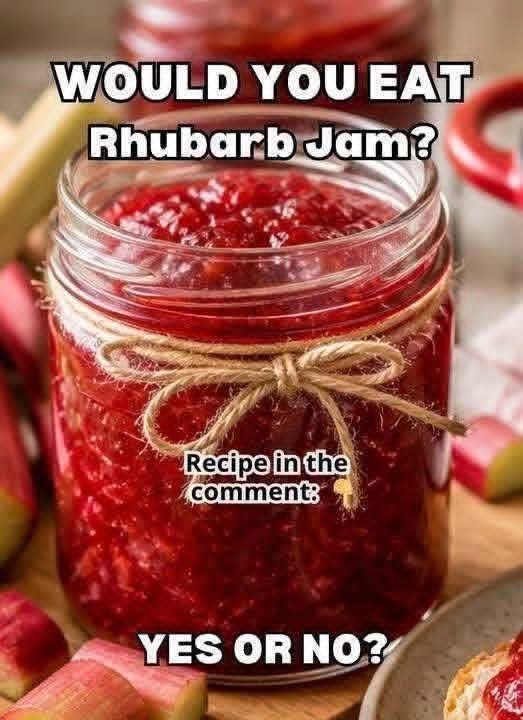
Rhubarb Jam is a bright, sweet-tart preserve that captures the unique flavor of fresh rhubarb in every spoonful. With its vibrant ruby-red color, smooth texture, and delightful balance between sweetness and acidity, rhubarb jam has been a favorite homemade preserve for generations. Whether spread on warm toast, swirled into yogurt, spooned over pancakes, or used as a filling for pastries, this classic jam is incredibly versatile and delicious.
Rhubarb itself is an interesting ingredient. Technically a vegetable, it is most often treated like a fruit in desserts and preserves because of its tart flavor. When cooked with sugar, rhubarb transforms into a rich, flavorful jam that is both refreshing and comforting. The natural acidity of rhubarb creates a perfect contrast to the sweetness of sugar, resulting in a preserve that is far more complex than many traditional fruit jams.
Making homemade rhubarb jam is surprisingly easy and requires only a handful of ingredients. The process is straightforward, making it ideal for both beginner and experienced home cooks. Once you taste freshly made rhubarb jam, you’ll understand why so many people cherish this old-fashioned recipe.
Why You’ll Love This Recipe
There are countless reasons to make your own rhubarb jam:
- Beautiful bright red color
- Sweet and tangy flavor
- Easy preparation
- Requires few ingredients
- Perfect for gifting
- Delicious on breakfast foods
- Excellent baking ingredient
- Can be stored for months when properly canned
Homemade jam also allows you to control the sweetness and customize flavors according to your preferences.
Ingredients
Main Ingredients
- 4 pounds fresh rhubarb, chopped
- 4 cups granulated sugar
- 1/4 cup lemon juice
- 1 teaspoon lemon zest (optional)
Optional Flavor Enhancers
- 1 teaspoon vanilla extract
- 1 cinnamon stick
- 1/2 teaspoon ground ginger
- 1 cup strawberries
- 1 orange zest
These optional ingredients can add depth and complexity to the finished jam.
Equipment Needed
- Large heavy-bottomed pot
- Wooden spoon
- Sharp knife
- Cutting board
- Measuring cups
- Sterilized glass jars
- Lids and rings
- Funnel
- Ladle
Using proper equipment makes the process easier and ensures a safe final product.
Understanding Rhubarb
Before making jam, it’s important to understand a few things about rhubarb.
Choose Fresh Rhubarb
Look for:
- Firm stalks
- Bright color
- Crisp texture
- No soft spots
Fresh rhubarb should snap cleanly when bent.
Avoid the Leaves
Rhubarb leaves contain high levels of oxalic acid and should never be eaten.
Always remove and discard the leaves before preparing rhubarb.
Preparing the Rhubarb
Wash the stalks thoroughly under cool running water.
Trim away any rough ends.
Cut the stalks into pieces approximately 1/2 inch thick.
Uniform pieces help ensure even cooking.
Place the chopped rhubarb into a large mixing bowl.
At this stage, admire the beautiful pink and red colors that make rhubarb so visually appealing.
Step 1: Combine Rhubarb and Sugar
Transfer the chopped rhubarb into a large pot.
Add the sugar.
Stir thoroughly until the rhubarb is coated.
Allow the mixture to sit for about 30–60 minutes.
During this time, the sugar draws moisture from the rhubarb, creating a natural syrup.
This process helps improve texture and reduces cooking time.
Step 2: Add Lemon Juice
Pour the lemon juice into the pot.
Add lemon zest if using.
The lemon juice serves several important purposes:
- Enhances flavor
- Balances sweetness
- Helps preserve color
- Supports proper jam consistency
Stir everything together.
Step 3: Begin Cooking
Place the pot over medium heat.
As the mixture warms, the sugar will dissolve and the rhubarb will begin releasing more liquid.
Stir frequently to prevent sticking.
Within several minutes, the mixture will become increasingly juicy.
The vibrant red color will intensify as the rhubarb softens.
Step 4: Simmer the Mixture
Bring the mixture to a gentle boil.
Reduce heat slightly and continue simmering.
Cook for approximately 25–35 minutes.
During cooking:
- Rhubarb breaks down
- Liquid evaporates
- Flavor concentrates
- Texture thickens
Continue stirring regularly.
The jam will gradually transform into a glossy, thick mixture.
Step 5: Check Consistency
Testing jam consistency is important.
One simple method:
Place a small plate in the freezer.
Drop a spoonful of hot jam onto the cold plate.
Wait 30 seconds.
Run your finger through the center.
If the jam wrinkles and does not immediately flow back together, it is ready.
If not, continue cooking for several more minutes.
Step 6: Add Optional Flavorings
If using vanilla, cinnamon, ginger, or other flavor additions, stir them in near the end of cooking.
Popular combinations include:
Rhubarb Vanilla Jam
Add vanilla extract for a smooth, dessert-like flavor.
Rhubarb Ginger Jam
Fresh ginger creates a warm spicy note.
Rhubarb Strawberry Jam
A classic combination that softens rhubarb’s tartness.
Rhubarb Orange Jam
Orange zest provides bright citrus complexity.
Step 7: Prepare the Jars
While the jam cooks, prepare your jars.
Wash thoroughly in hot soapy water.
Rinse well.
Sterilize jars according to safe canning practices.
Keep jars warm until ready to fill.
Warm jars reduce the risk of cracking when hot jam is added.
Step 8: Fill the Jars
Using a ladle and funnel, carefully pour the hot jam into prepared jars.
Leave approximately 1/4 inch headspace at the top.
Wipe rims clean.
Apply lids and rings.
Tighten until fingertip tight.
Step 9: Process the Jars
For long-term storage, process jars in a boiling water bath.
Place filled jars into boiling water.
Process for approximately 10 minutes.
Remove carefully.
Allow jars to cool undisturbed.
As they cool, you should hear the satisfying “pop” of sealing lids.
Storage Tips
Refrigerator
Opened jam can be stored for several weeks.
Pantry
Properly processed jars can last up to a year.
Freezer
Jam freezes exceptionally well.
Store in freezer-safe containers for up to 12 months.
Serving Ideas
Rhubarb jam is incredibly versatile.
Breakfast
Spread on:
- Toast
- English muffins
- Croissants
- Biscuits
Desserts
Use as:
- Cake filling
- Tart filling
- Cheesecake topping
- Ice cream topping
Snacks
Pair with:
- Crackers
- Cream cheese
- Yogurt
- Cottage cheese
Baking
Incorporate into:
- Muffins
- Cookies
- Danish pastries
- Thumbprint cookies
Health Benefits of Rhubarb
While jam contains sugar, rhubarb itself offers nutritional value.
Rich in Fiber
Supports healthy digestion.
Vitamin K
Important for bone health.
Antioxidants
Help protect cells from oxidative stress.
Low Calorie Vegetable
Rhubarb is naturally low in calories before sugar is added.
Common Mistakes to Avoid
Overcooking
Overcooked jam can become too thick and sticky.
Undercooking
Insufficient cooking may result in runny jam.
Skipping Lemon Juice
Acidity helps both flavor and preservation.
Using Rhubarb Leaves
Never consume rhubarb leaves.
Always discard them safely.
Creative Variations
Strawberry Rhubarb Jam
Perhaps the most famous variation.
The strawberries add sweetness and beautiful flavor.
Raspberry Rhubarb Jam
Adds vibrant color and berry richness.
Honey Rhubarb Jam
Replace part of the sugar with honey.
Cinnamon Rhubarb Jam
Perfect for autumn-inspired flavors.
Rhubarb Lavender Jam
A sophisticated option with floral notes.
Frequently Asked Questions
Can I use frozen rhubarb?
Yes.
Frozen rhubarb works very well and requires no thawing before cooking.
Why is my jam too runny?
It likely needs additional cooking time.
Continue simmering until proper consistency develops.
Why is my jam too thick?
Excessive cooking can evaporate too much liquid.
Can I reduce the sugar?
Yes, but reducing sugar may affect texture and shelf life.
Final Thoughts
Homemade Rhubarb Jam is one of the most rewarding preserves you can make. Its beautiful color, bright flavor, and remarkable versatility make it a treasured addition to any kitchen. The sweet-tart balance captures the essence of spring and early summer while providing a delicious spread that can be enjoyed year-round.