Introduction
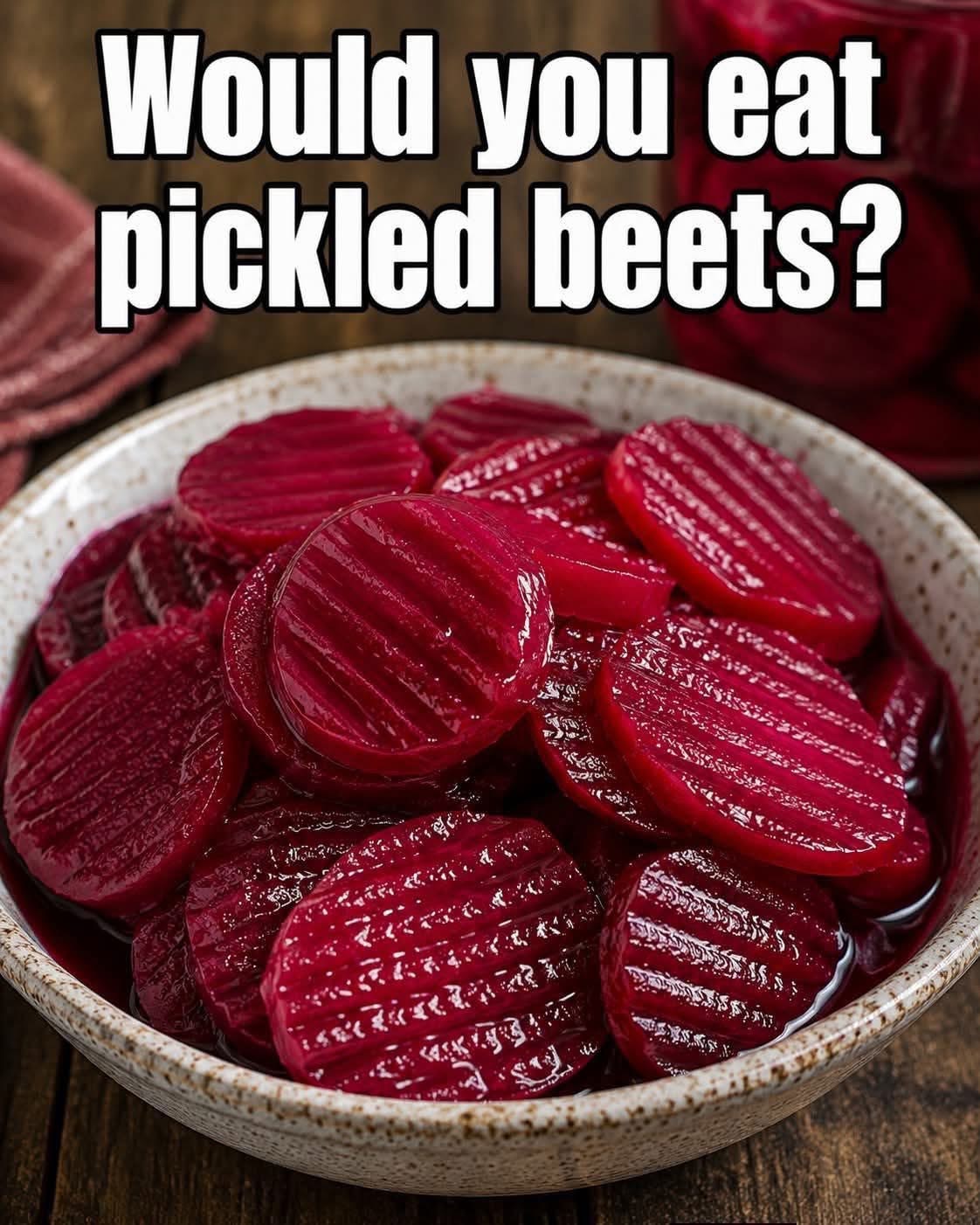
Pickled beets are a timeless homemade preserve that combines the natural sweetness of beets with the bright, tangy flavor of a vinegar brine. Their vibrant ruby-red color, tender texture, and sweet-and-sour taste make them a favorite side dish, salad topping, and snack in many households around the world.
Whether served alongside roasted meats, added to sandwiches, mixed into salads, or enjoyed straight from the jar, pickled beets offer a unique flavor experience that balances earthiness, sweetness, and acidity. They are not only delicious but also visually stunning, bringing brilliant color to any table.
This classic pickled beet recipe is easy to prepare and perfect for both beginners and experienced home cooks. With a few simple ingredients and some patience while the flavors develop, you’ll have a batch of delicious homemade pickled beets that can be enjoyed for weeks.
Why You’ll Love This Recipe
There are many reasons why homemade pickled beets remain popular:
- Beautiful deep red color
- Sweet and tangy flavor
- Budget-friendly ingredients
- Easy preparation
- Great for meal prep
- Long refrigerator storage
- Delicious addition to salads
- Naturally gluten-free
- Packed with nutrients
Once you taste homemade pickled beets, it’s difficult to return to store-bought versions.
Ingredients
For the Beets
- 3 pounds fresh beets
- Water for boiling
For the Pickling Brine
- 2 cups white vinegar
- 1 cup water
- 1 cup granulated sugar
- 1 teaspoon salt
Optional Flavor Additions
- 1 cinnamon stick
- 4 whole cloves
- 1 teaspoon mustard seeds
- 1 bay leaf
- Black peppercorns
- Orange peel
These optional ingredients create additional layers of flavor and aroma.
Equipment Needed
- Large pot
- Cutting board
- Sharp knife
- Mixing bowl
- Saucepan
- Glass jars with lids
- Slotted spoon
- Measuring cups
Understanding Beets
Beets are root vegetables known for their sweet, earthy flavor and impressive nutritional profile.
When selecting beets, look for:
- Firm texture
- Smooth skin
- Deep color
- No soft spots
- Fresh green tops if attached
Smaller beets often provide a sweeter and more tender texture than very large ones.
Step 1: Prepare the Beets
Wash the beets thoroughly under cold running water.
Use a vegetable brush to remove any dirt.
Do not peel them yet.
Leave approximately one inch of stem attached.
Keeping part of the stem helps reduce color loss during cooking.
Step 2: Cook the Beets
Place the cleaned beets in a large pot.
Cover completely with water.
Bring to a boil over medium-high heat.
Reduce heat and simmer until tender.
Cooking times vary depending on size:
- Small beets: 30 minutes
- Medium beets: 45 minutes
- Large beets: 60 minutes or more
To test for doneness, insert a knife into the center.
It should slide in easily.
Step 3: Cool and Peel
Drain the cooked beets.
Allow them to cool until comfortable to handle.
The skins should rub off easily using your fingers or a paper towel.
Wear gloves if desired because beet juice can stain hands.
Once peeled, trim the tops and roots.
Step 4: Slice the Beets
Slice the beets into rounds approximately ¼ inch thick.
You may also cut them into:
- Cubes
- Wedges
- Julienne strips
Uniform slices help ensure even pickling.
The bright red color at this stage is absolutely beautiful.
Step 5: Make the Pickling Brine
In a saucepan combine:
- Vinegar
- Water
- Sugar
- Salt
If using spices, add them now.
Bring the mixture to a gentle boil.
Stir until the sugar completely dissolves.
The kitchen will quickly fill with a sweet, tangy aroma.
Step 6: Combine Beets and Brine
Place sliced beets into clean jars.
Carefully pour the hot brine over the beets.
Ensure all slices are fully submerged.
Leave about ½ inch of space at the top of each jar.
Remove any trapped air bubbles.
Seal with lids.
Step 7: Cool and Refrigerate
Allow the jars to cool to room temperature.
Transfer to the refrigerator.
For best flavor, let the beets marinate for at least 24 hours.
However, they become even better after several days.
The longer they sit, the deeper and richer the flavor becomes.
The Secret to Great Pickled Beets
The key to exceptional pickled beets is balancing sweetness and acidity.
A good pickled beet should be:
- Sweet but not sugary
- Tangy but not overpowering
- Tender but not mushy
- Flavorful throughout
Patience is also important.
Allowing the beets to absorb the brine fully makes a significant difference.
Flavor Variations
Sweet Country-Style Pickled Beets
Increase sugar slightly for a sweeter preserve.
This version is popular in many traditional recipes.
Spiced Pickled Beets
Add:
- Cinnamon
- Cloves
- Allspice
Perfect for holiday meals.
Garlic Pickled Beets
Add several garlic cloves to each jar.
This creates a savory depth of flavor.
Honey Pickled Beets
Replace some sugar with honey.
The result is a richer and more complex sweetness.
Citrus Pickled Beets
Add:
- Orange zest
- Lemon peel
These bright flavors complement the earthy beets beautifully.
Serving Suggestions
Pickled beets are incredibly versatile.
Salads
Add to:
- Garden salads
- Spinach salads
- Arugula salads
Their color and flavor enhance almost any salad.
Sandwiches
Layer onto:
- Turkey sandwiches
- Roast beef sandwiches
- Veggie wraps
They add brightness and acidity.
Cheese Boards
Serve alongside:
- Goat cheese
- Brie
- Cheddar
The tangy beets pair wonderfully with creamy cheeses.
Side Dishes
Serve with:
- Roasted chicken
- Pork chops
- Grilled steak
- Baked fish
Their acidity balances rich main dishes.
Grain Bowls
Add to:
- Quinoa bowls
- Rice bowls
- Mediterranean platters
They provide both flavor and color.
Nutritional Benefits
Beets are highly nutritious.
Rich in Fiber
Supports healthy digestion.
Natural Antioxidants
The deep red pigments contain beneficial plant compounds.
Vitamins and Minerals
Beets provide:
- Folate
- Potassium
- Vitamin C
- Manganese
Low Fat
Naturally low in fat and cholesterol-free.
Storage Tips
Refrigerator Pickled Beets
Store in sealed jars.
They typically last:
- 3 to 4 weeks
Always use clean utensils when serving.
Long-Term Canning
For shelf-stable storage, follow approved canning procedures.
Properly canned pickled beets can last up to a year or more.
Common Mistakes to Avoid
Overcooking the Beets
Overcooked beets become mushy and lose texture.
Cook only until tender.
Weak Brine
A diluted brine can produce bland results.
Maintain proper vinegar ratios.
Skipping Cooling Time
Pickled beets need time to develop flavor.
Freshly made beets taste good, but they improve dramatically after a few days.
Uneven Slices
Uniform slicing ensures consistent texture and flavor absorption.
Frequently Asked Questions
Can I use golden beets?
Absolutely.
Golden beets produce a beautiful golden-yellow pickle with a slightly milder flavor.
Why are my pickled beets too sweet?
Reduce the sugar slightly in future batches.
Taste preferences vary widely.
Can I reduce the vinegar?
The vinegar is essential for proper pickling and flavor balance.
Reducing it too much may affect safety and taste.
How long before they taste their best?
Most people find that pickled beets reach peak flavor after 3–7 days in the refrigerator.
Final Thoughts
Pickled beets are a wonderful example of how simple ingredients can create something truly special. Their vibrant color, sweet-and-tangy flavor, and versatility make them a favorite addition to countless meals. Whether you’re preserving a garden harvest or simply trying a classic recipe for the first time, homemade pickled beets are rewarding, delicious, and surprisingly easy to prepare.