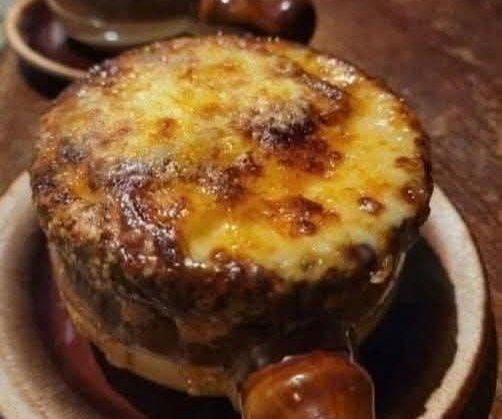
We have all been there: it is a cold, blustery evening, and you are craving a starter or main course that delivers pure, deep comfort. It is incredibly easy to resort to canned French onion soup or a watery tavern version that tastes mostly of salt, artificial beef bouillon, and soggy bread. The real challenge is achieving that legendary, rich, sweet-and-savory broth topped with a thick, beautifully browned blanket of melted cheese that pulls away perfectly with every single spoonful.
The perfect solution relies on patience, heat control, and traditional French technique. A classic, scratch-made French onion soup is the definitive answer to winter dinner fatigue. By slowly coaxing out the natural sugars of a massive pile of humble onions until they turn into a rich, mahogany paste, and deglazing the pot with a splash of dry wine, you unlock a spectacular flavor foundation.
The Culinary Science of True Caramelization
The secret to a deep, complex French onion soup comes down to a chemical reaction called pyrolysis, commonly known as caramelization. Many home cooks make the mistake of cranking up the stove heat to speed up the process, which simply burns the outer edges of the onions while leaving the insides raw and bitter.
True caramelization requires low, steady heat over a long period. As the onions gently cook, their rigid cell walls collapse, releasing water and breaking down complex starches into simple sugars. As that moisture evaporates, the sugars cook in the butter, turning a deep amber color and developing a sweet, rich, and savory flavor profile. When you combine these sweet onions with a deeply seasoned beef stock and a splash of dry sherry or white wine, you create a complex broth with an unmatched depth of flavor.
Structured Recipe Overview
Before you begin slicing your mountain of onions, here is a quick overview of what to expect from this elegant bistro classic.
- Prep Time: 15 minutes
- Cook Time: 1 hour 15 minutes
- Total Time: 1 hour 30 minutes
- Yield: 4 to 6 comforting servings
- Cost Per Serving: Under $2.00
- Primary Equipment: Large heavy-bottomed Dutch oven, sharp chef’s knife, oven-safe soup crocks
The Rich and Savory Ingredient List
Every item in this recipe is selected to build layers of deep, satisfying sweetness, herbal aroma, and velvety richness.
- 3 pounds Yellow Onions (about 4 to 5 large onions): Peeled and sliced thin from root to stem.
- 3 tablespoons Unsalted Butter: The rich fat base needed to gently cook the onions.
- 1 tablespoon Olive Oil: Helps prevent the butter from scorching during the long cook time.
- ½ teaspoon Granulated Sugar: Helps jumpstart the caramelization process.
- 2 cloves Garlic: Minced.
- ½ cup Dry White Wine or Dry Sherry: Crucial for deglazing and adding a bright, acidic balance.
- 6 cups High-Quality Low-Sodium Beef Stock: Provides the savory liquid foundation.
- 1 tablespoon All-Purpose Flour: To give the broth a tiny bit of body and velvety texture.
- 2 sprigs Fresh Thyme & 1 Fresh Bay Leaf: For a subtle, rustic herbal background.
- 1 tablespoon Worcestershire Sauce: For an extra punch of savory umami flavor.
- Salt and Freshly Cracked Black Pepper: To taste.
For the Iconic Cheesy Crouton Top:
- 1 French Baguette: Cut into 1-inch thick slices.
- 2 cups Gruyère or Swiss Cheese: Freshly shredded for the ultimate melt.
- ¼ cup Parmesan Cheese: Freshly grated, for a sharp savory bite.
Step-by-Step Instructions
Follow these straightforward steps to execute a flawless, restaurant-quality French onion soup at home.
Step 1: Slice and Sweat the Onions
Melt the butter and olive oil together in your large Dutch oven over medium heat. Add the massive pile of sliced onions, tossing gently to coat them thoroughly in the fat. Cover the pot with a tight lid and let the onions sweat for 10 to 12 minutes until they are soft, translucent, and significantly reduced in volume.
Step 2: The Long Caramelization
Remove the lid and turn the heat down to medium-low. Stir in the sugar, a half-teaspoon of salt, and a generous amount of black pepper. Cook the onions uncovered, stirring every 5 to 7 minutes, for about 45 to 50 minutes. The onions will gradually shift from pale yellow to rich golden-brown, and eventually to a deep, dark mahogany color. If they begin sticking or scorching, turn the heat down slightly and add a tablespoon of water to loosen them up.
Step 3: Flour and Deglaze
Once the onions are a uniform deep brown and sweet to the taste, stir in the minced garlic and cook for 60 seconds. Sprinkle the tablespoon of all-purpose flour over the onions and stir well, cooking for 2 minutes to eliminate any raw flour taste. Pour in the white wine or dry sherry, using a wooden spoon to scrape up all those intensely flavorful browned bits stuck to the bottom of the pot. Let the alcohol simmer and reduce for 2 to 3 minutes.
Step 4: Simmer the Broth
Pour the beef stock and Worcestershire sauce into the pot, then drop in the fresh thyme sprigs and bay leaf. Bring the soup to a boil over high heat, then reduce the heat to low, cover partially, and let it simmer gently for 20 minutes. This allows the caramelized sweetness of the onions to marry completely with the savory beef broth. Taste and adjust seasoning with extra salt and pepper if needed. Discard the thyme sprigs and bay leaf.
Step 5: The Broiler Blanket
While the soup simmers, preheat your oven’s broiler. Arrange your baguette slices on a baking sheet and toast them under the broiler for 1 to 2 minutes per side until they are crisp and golden. Ladle the hot soup into oven-safe crocks. Place one or two toasted baguette slices on top of the soup, then cover the bread completely with a generous handful of shredded Gruyère and a sprinkle of Parmesan. Place the crocks on a baking sheet and broil for 3 to 4 minutes until the cheese is bubbling, melted, and beautifully browned around the edges. Let cool for 5 minutes before serving hot.
Common Mistakes & How to Avoid Them
- Rushing the Onions: Trying to caramelize onions in 15 or 20 minutes is structurally impossible. Rushing the process over high heat will simply fry or burn them. Give yourself a full 45 to 50 minutes to unlock that deep, rich, authentic sweetness.
- Using Pre-Shredded Cheese: Pre-packaged shredded cheese is coated in cellulose powders to prevent sticking, which keeps it from melting smoothly. For that legendary, stretchy cheese blanket, always buy a block of Gruyère and shred it by hand.
- Soggy Bread Syndrome: If your baguette slices are soft when you put them into the soup, they will instantly dissolve into mush. Toast them until they are completely dry and crisp like a crouton so they can hold up under the heavy weight of the melted cheese.
Ingredient Substitutions & Variations
- The Vegetarian Route: You can easily transform this into a vegetarian soup by swapping out the beef stock for a rich, dark mushroom broth or a high-quality roasted vegetable stock, and replacing the Worcestershire sauce with a splash of soy sauce.
- The Beer Twist: Swap out the white wine for a cup of dark Guinness stout or a rich Belgian ale. This creates a deeply complex, slightly bitter, and exceptionally rustic broth that pairs perfectly with the sweet onions.
- The Cheese Alternative: If you cannot find Gruyère at your local grocery store, a high-quality French Comté, sharp Provolone, or low-moisture Swiss cheese will melt beautifully and provide a wonderful savory contrast.
Pro Tips for Home Cooks
- The Deglazing Trick: If your onions are browning too fast or building up too much dark color on the bottom of the pot before they are soft, splash in a tablespoon of water or beef stock. This instantly dissolves the caramelized sugars and distributes them evenly back into the onions.
- The Perfect Cut: Slice your onions from pole to pole (root to stem) rather than across the middle into rings. Slicing with the grain helps the onion strips maintain their structural integrity during the long simmer, ensuring they don’t disintegrate into the broth.
Frequently Asked Questions
Can I make French onion soup ahead of time? Absolutely! The soup base actually tastes significantly better the next day as the flavors continue to deeply marry in the fridge. Prepare the soup completely up through the simmering stage, let it cool, and store it in an airtight container for up to 4 days. When ready to serve, simply reheat the broth, ladle it into crocks, and broil with the bread and cheese fresh.
What is the best type of onion to use? Standard yellow onions are the absolute best choice because they have a fantastic balance of natural sugars and sulfur compounds, resulting in a complex, deeply savory-sweet flavor when caramelized. Sweet onions (like Vidalias) can sometimes make the soup a bit too sweet without enough savory balance, while red onions can yield a muddy color.
Can I make this without oven-safe crocks? Yes! If you don’t own individual soup crocks, you can place your toasted baguette slices directly on a baking sheet, pile them high with the shredded cheeses, and broil them on the tray until melted and golden. Ladle the hot soup into standard bowls and carefully float the cheesy, broiled croutons right on top before serving.
Conclusion
Classic French onion soup is the ultimate proof that simple, inexpensive kitchen staples can be transformed into a luxurious, restaurant-quality masterpiece with just a bit of time and proper technique. With its perfectly rich mahogany broth, sweet caramelized onions, and iconic molten blanket of toasted Gruyère cheese, it is a foolproof crowd-pleaser that turns a chilly evening into an unforgettable cozy celebration. Whip up a pot this weekend, and leave a comment below sharing your favorite cold-weather bistro classics!