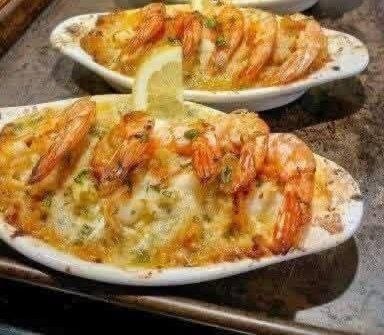
There’s a reason baked shrimp scampi shows up on the menu of nearly every steakhouse and seafood restaurant in the country, usually served bubbling hot in a little oval gratin dish with a lemon wedge tucked in beside it. It hits every note you want from a seafood appetizer or main: plump, juicy shrimp, a rich garlic butter sauce spiked with white wine and lemon, and a golden, slightly crisp breadcrumb topping that soaks up every bit of that sauce. It looks impressive, it tastes like it took far more effort than it did, and — best of all — it comes together in well under thirty minutes from start to finish. This article breaks down exactly how to recreate that restaurant-style baked shrimp scampi at home, along with the small techniques that make the difference between good scampi and great scampi.
What Makes Scampi “Scampi”
The word “scampi” technically refers to a type of small lobster-like crustacean (also called langoustine) that’s popular in Italian and British cooking. In American restaurant menus, though, “scampi” has evolved to describe a style of preparation rather than the specific shellfish — shrimp cooked in a garlic, butter, white wine, and lemon sauce. The classic stovetop version, shrimp scampi with pasta, is a quick sauté. The baked version takes that same flavor profile and turns it into something closer to a gratin: the shrimp are arranged in a dish, doused in that garlic butter sauce, topped with seasoned breadcrumbs and Parmesan, and baked until everything turns golden and bubbly. The baking step is what gives you that irresistible textural contrast — tender shrimp underneath, a crisp, savory crust on top.
Choosing the Right Shrimp
The single biggest factor in how this dish turns out is the quality and size of your shrimp. A few pointers:
- Go big. Large or jumbo shrimp (usually labeled 16/20 or 21/25 count per pound) hold up much better in the oven than small shrimp, which can overcook and turn rubbery in the time it takes the topping to turn golden.
- Peel and devein, but consider leaving the tails on. Tails-on shrimp look more elegant on the plate and give you something to hold onto if you’re eating them with your fingers, which is genuinely half the fun of scampi. That said, tails-off is perfectly fine if you’d rather not deal with them.
- Pat them dry. This is a small step that makes a real difference. Excess moisture on the shrimp dilutes the garlic butter sauce and can make the dish watery instead of rich. A quick pat with paper towels before arranging them in the baking dish solves this.
- Fresh or frozen both work. If using frozen shrimp, just make sure they’re fully thawed and patted dry before you start — this recipe moves fast once you’re in the oven, and wet shrimp will throw off both the texture and the cooking time.
The Garlic Butter Sauce: The Heart of the Dish
The sauce is really where all the flavor lives, and it comes together in a small saucepan in about two minutes. Butter is melted first, then garlic is added and cooked just until fragrant — this usually takes about a minute over medium heat. It’s important not to let the garlic brown here; browned garlic turns bitter, and since this sauce is only cooked briefly before it goes into the oven with the shrimp, there’s no room to mask that bitterness later. As soon as the garlic smells fragrant and toasty, pull the pan off the heat.
Off the heat, the white wine and lemon juice get stirred in. Removing the pan from heat before adding the wine keeps things safe (wine can flame up over an open burner) and also means the sauce doesn’t reduce too much before it even reaches the shrimp — you want that liquid to bake into the dish and become part of the finished sauce, not evaporate away in the saucepan. A dry white wine like Sauvignon Blanc or Pinot Grigio works best; avoid anything sweet, which will throw off the balance. If you’d rather skip the alcohol entirely, chicken broth with a small splash of white wine vinegar makes a solid substitute that still gives you that acidic, savory backbone.
Building and Topping the Dish
Once the shrimp are arranged in a single layer in your baking dish (individual gratin dishes work beautifully if you want that classic restaurant presentation, but one larger baking dish is just as good), the garlic butter sauce gets poured evenly over the top, followed by salt, red pepper flakes, and black pepper. The red pepper flakes are optional, but they add a gentle warmth that plays really nicely against the richness of the butter and the brightness of the lemon.
The topping is a simple mixture of panko breadcrumbs and grated Parmesan. Panko is worth seeking out over standard breadcrumbs here — its larger, airier flakes crisp up more dramatically in the oven and give you that satisfying crunch on top, rather than a dense, sandy crust. The Parmesan melts into the panko as it bakes, helping bind the topping together while adding a salty, nutty depth. Sprinkle this mixture evenly over the shrimp and sauce right before the dish goes into the oven.
Baking: Timing Is Everything
This dish bakes at a high temperature — 425°F (220°C) — for a relatively short time, usually 10 to 12 minutes. High heat is important here because you want the topping to turn golden and the sauce to bubble before the shrimp have a chance to overcook. Shrimp cook incredibly fast, and the line between perfectly tender and rubbery is a matter of just a minute or two, so keep a close eye on the dish once it passes the ten-minute mark. You’ll know it’s done when the shrimp have turned pink and opaque all the way through and the topping is a light golden brown.
If you want a deeper, more caramelized top, you can finish the dish under the broiler for the last minute or two. This step is optional, but it does give you that extra-crisp, slightly charred edge you often see on the best restaurant versions. Watch it constantly if you do this, though — broilers work fast, and a minute of distraction can take you from golden to burnt.
Finishing Touches
As soon as the dish comes out of the oven, sprinkle it generously with fresh chopped parsley. This isn’t just for looks — the fresh, slightly peppery flavor of parsley cuts through the richness of the butter and cheese, and the bright green color against the golden topping makes for a genuinely beautiful presentation, especially if you’re serving this in individual gratin dishes for guests. Serve immediately with lemon wedges on the side so everyone can add an extra squeeze of fresh acidity to their portion right before eating.
Serving Suggestions
Baked shrimp scampi is versatile enough to work as an appetizer, a light main course, or part of a larger spread. A few ways to serve it:
- As an appetizer: Serve directly in individual gratin dishes with slices of crusty bread or garlic bread for dipping into the sauce. This is arguably the best way to enjoy it — that garlic butter sauce is too good to leave behind.
- As a main course: Spoon the shrimp and sauce over a bed of angel hair or linguine pasta, letting the sauce coat the noodles. This turns the dish into a full riff on the classic shrimp scampi pasta.
- Low-carb option: Serve over cauliflower rice or alongside a simple green salad to soak up the sauce without the pasta.
- As part of a larger spread: This dish pairs beautifully with a simple roasted vegetable side, like asparagus or broccolini, and a crisp white wine — ideally the same one you used in the sauce.
Make-Ahead and Storage Tips
If you want to get ahead of things for a dinner party, you can prep the components in advance: make the garlic butter sauce and refrigerate it, mix the breadcrumb topping and store it separately, and arrange the raw shrimp in the baking dish, covered, in the fridge. When you’re ready to serve, just pour the sauce over the shrimp, add the topping, and bake as directed — this way, the dish still comes together in under 15 minutes even though most of the work is already done.
Leftovers can be stored in an airtight container in the refrigerator for up to two days. Reheat gently in a 350°F (175°C) oven for about 8-10 minutes, just until warmed through — avoid the microwave if you can, since it tends to make the shrimp rubbery and the topping soggy. That said, this dish is best enjoyed fresh from the oven, when the topping is at its crispiest and the sauce is still bubbling.
Once you’ve made baked shrimp scampi at home, it’s easy to see why it’s such a steakhouse staple. It takes a handful of pantry staples, comes together quickly, and delivers a dish that feels far more special than the effort it actually requires.