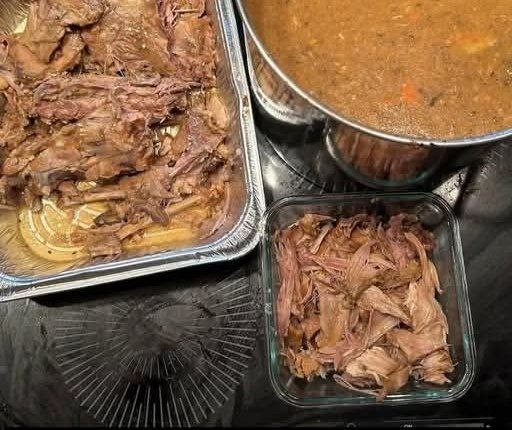
We have all been there: you want a rustic, comforting Sunday dinner that feels incredibly special, but you are completely tired of the same old chicken and beef rotations. It is incredibly easy to get stuck in a culinary rut, falling back on predictable proteins that leave your family feeling uninspired at the dinner table. The real challenge is exploring traditional game meats without ending up with a dish that is tough, dry, or overly gamey.
The ultimate solution relies on classic Southern cast-iron cooking techniques. Fried rabbit—especially when paired with a deeply savory, velvety pan gravy—is one of the most magnificent hidden gems of traditional comfort food. When prepared correctly, rabbit is leaner and higher in protein than chicken, offering a delicate flavor that handles seasonings beautifully. By utilizing a simple buttermilk tenderizing soak and a controlled shallow-fry method, you transform this rustic protein into an exceptionally juicy masterpiece with a shatteringly crisp crust and a melt-in-your-mouth interior.
The Secret to Perfectly Tender Game Meat
The primary reason home cooks shy away from rabbit is the fear of toughness. Because rabbits are incredibly lean animals, their meat contains almost no intramuscular fat. If you drop raw rabbit straight into hot oil like standard chicken, the proteins will seize up instantly, resulting in a dry, stringy texture.
To overcome this, the magic lies in a dual-stage preparation: an acidic buttermilk brine followed by a low-and-slow pan fry, or a quick sear followed by a gentle simmer in a rich gravy base. The lactic acid in buttermilk acts as a natural tenderizer, gently breaking down the lean muscle fibers without making the meat mushy. At the same time, coating the rabbit in a seasoned flour dread seals in the natural juices as it hits the hot cast iron, ensuring the meat stays beautifully succulent on the inside while creating a golden, crunchy exterior layer.
Structured Recipe Overview
Before you heat up your skillet, here is a quick look at what it takes to execute this classic, comforting game dinner perfectly.
- Prep Time: 20 minutes (plus 4 hours or overnight marinating)
- Cook Time: 35 minutes
- Total Time: 4 hours 55 minutes
- Yield: 4 to 6 hearty servings
- Cost Per Serving: Varies depending on sourcing (under $4.00 if locally sourced)
- Primary Equipment: 12-inch heavy cast-iron skillet, meat thermometer, wire cooling rack
The Comforting Ingredient List
This recipe combines simple, rustic pantry seasonings to highlight the delicate flavor of the rabbit while building an unforgettable pan gravy from the savory drippings.
- 1 Whole Rabbit (approx. 2.5 to 3 lbs): Cleaned and cut into standard frying pieces (hind legs, forelegs, and loin sections).
- 2 cups Whole Buttermilk: The essential acidic base for tenderizing the lean meat.
- 1 tablespoon Hot Sauce: Adds a subtle background tang and warmth to the brine without making it spicy.
- 2 cups All-Purpose Flour: For creating that signature crispy, golden crust.
- 1 tablespoon Garlic Powder: For a deep, savory aroma in the dredge.
- 1 tablespoon Onion Powder: Adds a gentle, sweet aromatic balance.
- 1 teaspoon Smoked Paprika: Provides a beautiful golden color and a hint of woodfired warmth.
- 1 teaspoon Cayenne Pepper (Optional): For a tiny kick of Southern heat.
- Salt and Freshly Cracked Black Pepper: To taste.
- Peanut Oil or Lard: For shallow frying (enough to come halfway up the sides of your skillet).
For the Rich Pan Gravy:
- 3 tablespoons Reserved Frying Standard Drippings: Packed with flavorful caramelized bits.
- 3 tablespoons All-Purpose Flour: To build the roux base.
- 2 cups Low-Sodium Beef or Chicken Broth: To create a deeply savory sauce.
- ½ cup Whole Milk or Heavy Cream: For an ultra-velvety finish.
Step-by-Step Instructions
Follow these steps carefully to ensure your fried rabbit turns out perfectly golden on the outside and remarkably tender on the inside.
Step 1: The Buttermilk Soak
Place your butchered rabbit pieces into a large glass bowl or a heavy-duty zip-top bag. Pour the buttermilk and hot sauce over the meat, ensuring every piece is completely submerged. Seal tightly and place it in the refrigerator to marinate for at least 4 hours, though letting it soak overnight yields the most tender results.
Step 2: Prepare the Seasoned Dredge
In a shallow baking dish or pie pan, combine the all-purpose flour, garlic powder, onion powder, smoked paprika, cayenne pepper, two teaspoons of salt, and a generous amount of freshly cracked black pepper. Whisk the dry ingredients thoroughly until the spices are evenly distributed through the flour.
Step 3: Coat the Rabbit
Remove the rabbit pieces from the refrigerator. One by one, lift a piece from the buttermilk brine, letting the excess liquid drip off, and drop it straight into the seasoned flour. Press the flour firmly onto all sides of the meat to ensure a thick, even coating. Shake off any loose flour and place the coated pieces on a clean plate. Let them rest for 10 minutes; this allows the flour to absorb the moisture and paste onto the meat, keeping it from flaking off in the hot oil.
Step 4: The Skillet Fry
Pour your frying oil or lard into a heavy cast-iron skillet until it is roughly a half-inch deep. Heat over medium-high until the oil reaches 350°F. Carefully lower the rabbit pieces into the hot oil using tongs, working in batches to avoid overcrowding the pan. Fry for 6 to 8 minutes per side, turning carefully, until the crust is a deep golden brown and the internal temperature reaches a safe 160°F. Remove the rabbit and let it drain on a wire cooling rack placed over a baking sheet.
Step 5: Whip Up the Pan Gravy
Carefully pour the hot frying oil out of your skillet, leaving exactly 3 tablespoons of oil and all those delicious, flavorful browned bits at the bottom of the pan. Place the skillet back over medium heat and whisk in 3 tablespoons of your seasoned flour mixture to form a smooth roux. Cook for 2 minutes, stirring constantly, until the roux turns a warm golden color. Gradually pour in the broth while whisking vigorously to eliminate any lumps. Bring to a simmer, then stir in the heavy cream. Let it bubble for 3 to 5 minutes until it transforms into a thick, velvety gravy. Season with extra black pepper and pour generously over the warm fried rabbit.
Common Mistakes & How to Avoid Them
- Skipping the Marinating Step: Because rabbit is incredibly lean, rushing past the buttermilk soak will almost guarantee a tough, dry chew. Give the acids time to work their tenderizing magic.
- Frying Cold Meat: Dropping ice-cold meat straight from the fridge into hot oil causes the temperature of the oil to plummet instantly. This results in a greasy, soggy crust rather than a crisp, clean shatter. Let your coated rabbit sit on the counter for 10 to 15 minutes to take the chill off before frying.
- Overheating the Frying Oil: If your oil is smoking hot, the exterior flour coating will burn to a crisp before the meat near the bone has a chance to cook through. Maintain a steady oil temperature between 325°F and 350°F for a perfectly even cook.
Ingredient Substitutions & Variations
- The Oven-Baked Route: If you want to cut down on frying oil, you can coat the rabbit in standard egg wash and seasoned breadcrumbs or crushed cornflakes, then bake at 400°F on a greased baking sheet for 30 to 35 minutes until beautifully crisp.
- The Smothered Style: For an incredibly tender variation, follow the recipe up to the frying stage. Once seared golden brown, submerge the rabbit pieces directly into the simmering pan gravy, cover with a tight lid, and let it simmer on low heat for 45 minutes until the meat is literally falling off the bone.
- Dairy-Free Alternative: If you cannot consume dairy, swap the buttermilk brine for a mixture of unsweetened almond milk mixed with a tablespoon of apple cider vinegar, and use a high-quality vegan butter or cooking oil to build your gravy roux base.
Pro Tips for the Perfect Sunday Dinner
- Use Cast Iron: A heavy cast-iron skillet retains and distributes heat far better than thin aluminum pans, preventing temperature drops when you add the meat and ensuring a perfectly uniform golden crust.
- Let It Rest: Just like a good steak or fried chicken, letting your fried rabbit rest on a wire rack for 5 minutes before serving allows the internal juices to redistribute through the lean meat, ensuring your first bite is incredibly succulent.
Frequently Asked Questions
What does rabbit taste like? Rabbit is a mild white meat that tastes very similar to chicken, but with a slightly earthier, deeper flavor profile. It is entirely non-offensive and doesn’t possess the intense “gamey” aroma often associated with venison or wild duck, making it a fantastic introductory game meat for picky eaters.
Can I use wild rabbit for this recipe? Absolutely. This recipe works beautifully for both farm-raised and wild-harvested rabbit. However, because wild rabbits are significantly more active, their meat is even leaner. It is highly recommended to extend the buttermilk marinating time to a full 24 hours if you are preparing wild game.
How do I store and reheat leftovers? Store any leftover fried rabbit in an airtight container in the refrigerator for up to three days. To keep the crust beautifully crispy when reheating, place the pieces on a baking sheet and heat in a 350°F oven or an air fryer for 8 to 10 minutes until warmed through. Avoid the microwave, as it will make the crust soggy.
Conclusion
Classic Southern fried rabbit with pan gravy proves that exploring traditional ingredients doesn’t have to be intimidating or overly complicated. By combining time-tested tenderizing techniques with simple, robust seasonings, you can bring a magnificent piece of comforting culinary history straight to your modern dinner table. Fire up that cast-iron skillet, whip up a batch of velvety gravy, and drop a comment below letting us know your favorite ways to enjoy traditional comfort food!