Ingredients
- 1 tablespoon pure aloe vera gel
- 1 teaspoon honey
- 1 teaspoon plain, unsweetened yogurt
- 2–3 drops of jojoba oil or another gentle facial oil, optional
- A small bowl
- A clean spoon
Why these ingredients?
Aloe vera provides a cooling, moisturizing feel and can be soothing for dry or mildly irritated skin.
Honey acts as a humectant, meaning it helps attract and retain moisture. It can leave the skin feeling softer and smoother.
Plain yogurt contains lactic acid, an alpha-hydroxy acid (AHA). In a mild food-based preparation, it provides gentle exfoliating activity, although the concentration and effectiveness are not standardized like a formulated skincare product.
Jojoba oil is optional and can add additional moisture, particularly if your skin feels dry.
How to Prepare It
Start by washing your hands and making sure your bowl and spoon are clean.
Add 1 tablespoon of aloe vera gel to the bowl.
Next, add 1 teaspoon of honey. Stir slowly until the honey is distributed throughout the aloe vera.
Add 1 teaspoon of plain yogurt and mix everything together until you have a smooth, creamy consistency.
If your skin is very dry, you can add 2–3 drops of jojoba oil. Mix again.
The finished mixture should be creamy rather than watery.
Because this recipe contains fresh food ingredients, do not store leftovers. Prepare only the amount you need for one application.
How to Apply It
Before applying anything new to your face, perform a patch test. Put a small amount on an inconspicuous area of skin and wait to see whether you develop redness, burning, itching, or swelling.
If there is no reaction, gently cleanse your face with a mild cleanser and lukewarm water.
Pat your skin dry rather than rubbing it.
Apply a thin layer of the mask to your face. Avoid:
- The eyelids
- The immediate under-eye area
- The corners of your nose if they are irritated
- Cuts or broken skin
- Areas with active irritation
Do not scrub the mask into your skin.
Leave it on for approximately 5–10 minutes the first time.
If you experience burning, stinging, itching, or significant redness, rinse it off immediately.
After 5–10 minutes, rinse thoroughly with lukewarm water.
Pat your face dry with a clean, soft towel.
Finish with a simple fragrance-free moisturizer.
During the daytime, apply broad-spectrum sunscreen SPF 30 or higher, particularly if your concern is dark spots or uneven pigmentation.
What About Dark Spots?
This is important because the claim in the image is misleading.
Dark spots can have many causes, including sun exposure, acne-related pigmentation, inflammation, hormonal changes, and normal aging. A homemade baking-soda mixture cannot reliably remove these causes.
In fact, irritating your skin with baking soda, lemon juice, harsh scrubs, or similar DIY ingredients can sometimes make pigmentation more noticeable, particularly if your skin becomes inflamed afterward.
For persistent dark spots, a properly formulated skincare product containing ingredients such as niacinamide, azelaic acid, vitamin C, or retinoids may be more appropriate. Sunscreen is especially important because ultraviolet exposure can make pigmentation darker and interfere with improvement.
If a spot is new, rapidly changing, bleeding, painful, or looks significantly different from your other spots, don’t try to treat it with a homemade mask. It should be evaluated by a healthcare professional or dermatologist.
What About Wrinkles?
Unfortunately, there is no kitchen ingredient that can safely and permanently erase wrinkles.
Wrinkles are a normal consequence of aging and changes in collagen, elastin, skin thickness, and repeated facial movement.
A moisturizing mask can temporarily make dry skin look plumper and smoother, which may make fine lines appear less noticeable. But this is different from actually removing wrinkles.
For long-term skin aging, daily sunscreen and a consistent skincare routine are considerably more useful than baking soda.
A simple routine can be:
Morning:
- Gentle cleanser
- Moisturizer
- SPF 30+ sunscreen
Evening:
- Gentle cleanser
- Appropriate treatment, if desired
- Moisturizer
If you want to use a retinoid or another active ingredient, introduce it gradually because these products can cause irritation when used incorrectly.
What About Dark Circles?
Dark circles are particularly difficult to treat with DIY recipes because they don’t have one single cause.
They may be related to genetics, natural facial anatomy, visible blood vessels, pigmentation, allergies, lack of sleep, dehydration, or shadows created by the shape of the area beneath the eyes.
For that reason, do not put baking soda, lemon juice, toothpaste, or other harsh DIY mixtures under your eyes.
The skin around the eyes is delicate and can become irritated very easily.
A cool compress can temporarily make the area feel more comfortable, while adequate sleep, hydration, allergy management when appropriate, sunscreen, and suitable skincare may help depending on the cause.
How Often Can You Use This Mask?
For most people, once a week is more than enough.
You don’t need to exfoliate your face every day to make it look brighter. Over-exfoliation can damage the skin barrier and lead to dryness, burning, sensitivity, and increased redness.
If your skin is sensitive, dry, or prone to eczema, you may want to skip the yogurt and simply use a gentle moisturizer or a commercially formulated soothing product instead.
Also remember that “natural” doesn’t automatically mean “safe.” Honey, aloe, yogurt, essential oils, and other natural ingredients can still cause allergic or irritant reactions in some people.
🚫 Why I Don’t Recommend the Baking Soda Recipe in the Image
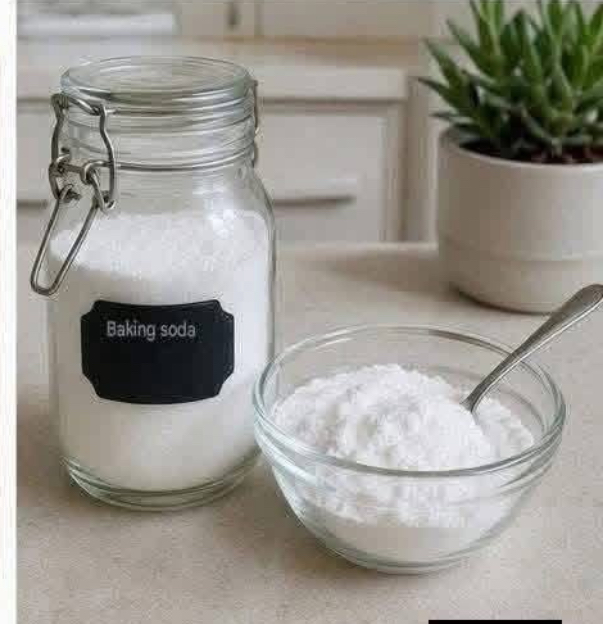
The viral recipe claims that baking soda can remove dark spots, wrinkles, and dark circles.
There isn’t good evidence that applying household baking soda to the face can accomplish those things.
Baking soda is primarily sodium bicarbonate, an alkaline substance. Healthy facial skin normally has a mildly acidic environment. Applying strongly alkaline substances can interfere with the skin’s protective barrier.
That can lead to:
- Dryness
- Tightness
- Burning
- Redness
- Irritation
- Increased sensitivity
- Potential worsening of pigmentation after inflammation
And the area around the eyes is particularly unsuitable for this kind of experiment.
So, if your goal is healthier-looking skin, I would choose the gentle aloe vera, honey, and yogurt approach above—or, even better, a properly formulated skincare product designed for your specific concern.
⭐ The simple takeaway
Skip the baking soda. It isn’t a reliable wrinkle, dark-spot, or dark-circle treatment, and it can irritate your skin.