Ingredients
- 8–10 large organic lemons
- 700 g (3½ cups) granulated sugar
- 500 ml (2 cups) freshly squeezed lemon juice
- Optional: 1 teaspoon citric acid (helps preserve freshness)
- Optional: 1 teaspoon vanilla extract for a softer flavor
Equipment
- Large glass jar with lid
- Vegetable peeler
- Fine mesh strainer
- Cheesecloth (optional)
- Large bowl
- Funnel
- Sterilized glass bottles
Step 1: Choose the Right Lemons
The quality of your lemons determines the quality of the syrup.
Choose lemons that are:
- Bright yellow
- Firm
- Heavy for their size
- Fragrant
- Preferably organic since you’ll use the peel
Avoid lemons with soft spots or thick blemishes.
Step 2: Wash the Lemons
Wash each lemon thoroughly using warm water.
Scrub the peel gently with a vegetable brush to remove dirt or wax.
Dry completely using clean kitchen towels.
Step 3: Peel the Lemons
Using a vegetable peeler, remove only the yellow outer peel.
Avoid removing too much of the white pith, which tastes bitter.
Place all peels into the clean glass jar.
Step 4: Add the Sugar
Pour all of the sugar over the lemon peels.
The sugar should completely surround the peels.
Seal the jar tightly.
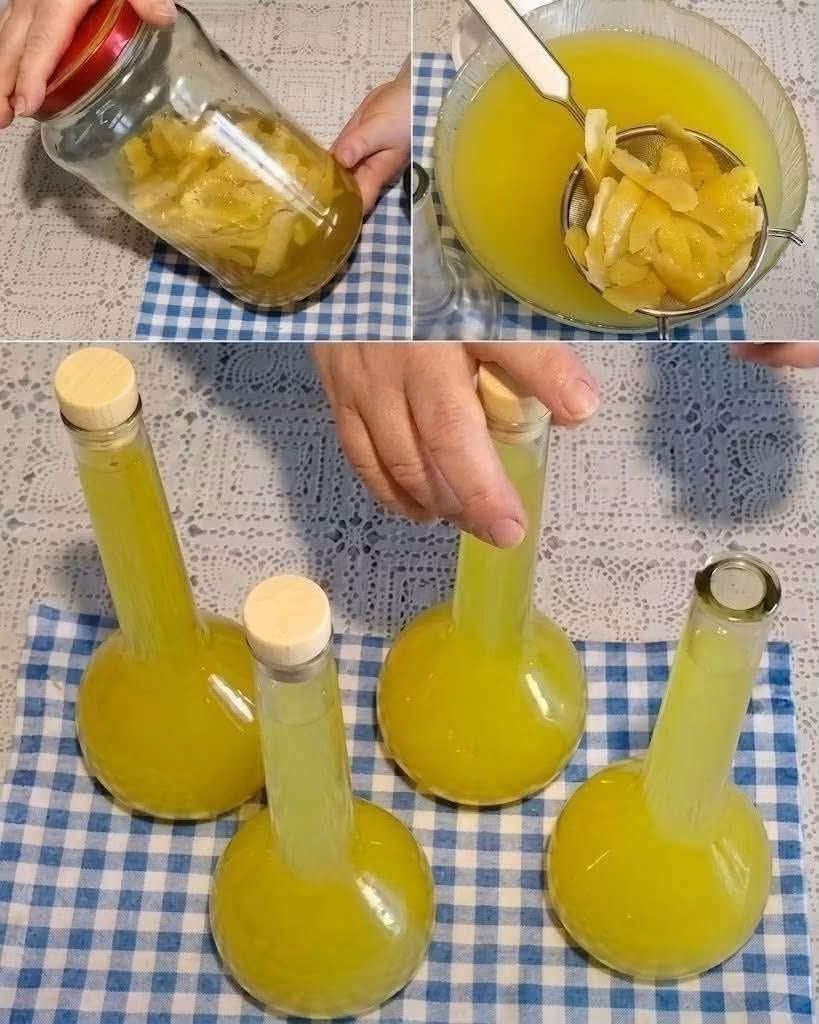
Step 5: Macerate
Shake the jar gently.
Leave it at room temperature.
Shake it several times every day.
After 24 hours the sugar will begin melting.
After 48 hours even more liquid will appear.
Within 3–5 days almost all of the sugar should dissolve.
The sugar slowly extracts the aromatic oils from the peel, producing a wonderfully fragrant syrup.
Step 6: Juice the Lemons
Once you’ve removed the peel, squeeze all of the lemons.
Remove seeds.
You should obtain approximately 500 ml (2 cups) of fresh juice.
Keep refrigerated until the peel syrup is ready.
Step 7: Combine
When the sugar has completely dissolved, pour the fresh lemon juice into the jar.
Mix well.
If using citric acid, stir it in now.
Seal again.
Allow everything to infuse another 24 hours.
Step 8: Strain
Pour the mixture through a fine mesh strainer.
For an extra-clear syrup, strain again through cheesecloth.
Press the peels gently to extract every drop of flavorful syrup.
Do not squeeze too aggressively or bitterness may be released.
Step 9: Bottle
Using a funnel, pour the syrup into sterilized bottles.
Seal tightly.
Refrigerate immediately.
Storage
In the refrigerator:
- Keeps 3–4 weeks.
With citric acid and perfectly sterilized bottles:
- Up to 2 months.
You may also freeze portions for up to 6 months.
Serving Suggestions
Mix:
- 1 part lemon syrup
- 4–6 parts cold water
or
- Sparkling water
- Ice cubes
- Fresh mint leaves
It also pairs beautifully with:
- Soda water
- Iced tea
- Green tea
- Cocktails
- Mocktails
Delicious Uses
Besides making lemonade, this syrup is wonderful for:
- Pancakes
- Waffles
- Yogurt
- Cheesecake topping
- Fruit salads
- Ice cream
- Sorbet
- Lemon cakes
- Muffins
- Cookies
- Marinades
- Salad dressings
Even a spoonful stirred into hot tea creates a comforting citrus drink during colder months.
Tips for the Best Lemon Syrup
- Always use fresh lemons.
- Organic lemons provide the cleanest peel flavor.
- Remove only the yellow zest.
- Shake the jar daily.
- Sterilize bottles before filling.
- Keep refrigerated after bottling.
- Use fresh juice rather than bottled lemon juice.
- For a sweeter syrup, increase sugar slightly.
- For extra tartness, add more lemon juice.
Flavor Variations
This recipe can easily be customized.
Try adding:
- Fresh ginger slices
- Mint leaves
- Basil
- Rosemary
- Lavender
- Orange peel
- Lime peel
- Grapefruit zest
- Vanilla bean
- Cinnamon stick
Each ingredient creates a unique homemade cordial.
Why This Method Works
The secret lies in osmotic extraction. Sugar naturally draws moisture and aromatic oils from the lemon peel without applying heat. Since the peel contains highly concentrated essential oils, the resulting syrup develops an intense citrus aroma that cannot be achieved by simply mixing lemon juice and sugar.
Adding the fresh juice after the sugar has extracted the peel oils creates a balanced syrup with bright acidity, fragrant zest notes, and a smooth sweetness. Because the syrup isn’t boiled, it retains more of the lemons’ fresh flavor and delicate aroma.
Nutritional Information (Approximate Per 30 ml Serving)
- Calories: 75
- Carbohydrates: 19 g
- Sugars: 18 g
- Fat: 0 g
- Protein: 0 g
- Vitamin C: Moderate amount (varies depending on the lemons used)
- Sodium: 0 mg
Final Thoughts
Homemade lemon syrup is one of the easiest and most rewarding pantry staples you can make. With just fresh lemons, sugar, and a little patience, you can create a vibrant, fragrant concentrate that far surpasses most store-bought versions. Its bright citrus flavor makes it ideal for refreshing summer drinks, elegant desserts, and everyday cooking. Once you prepare a batch, you’ll likely find yourself reaching for it again and again—whether you’re stirring it into sparkling water, drizzling it over pancakes, glazing cakes, or adding a splash to tea. Simple ingredients and a slow infusion process transform ordinary lemons into a versatile homemade treat that’s both delicious and beautifully aromatic.