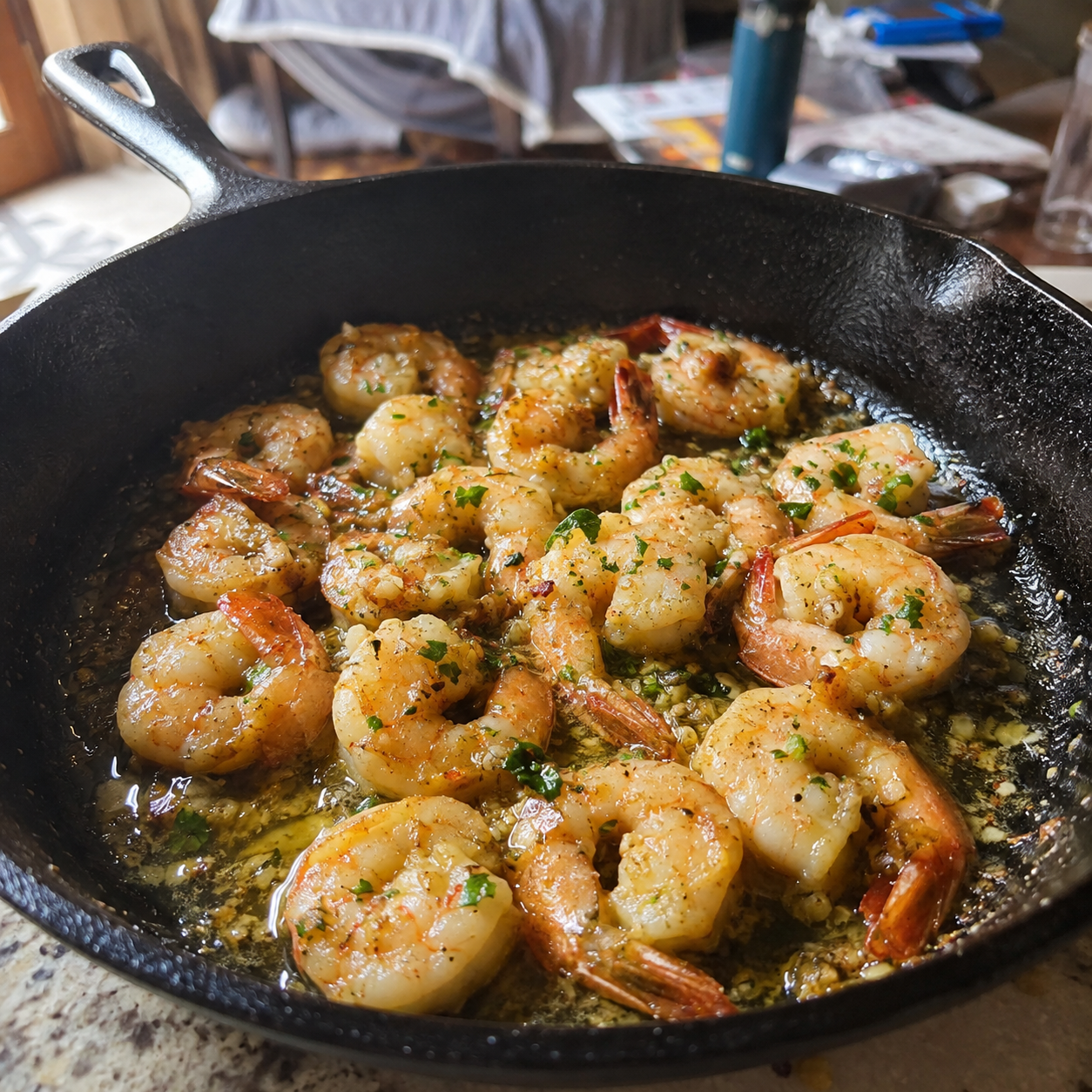
Frozen shrimp sits in the back of the freezer more often than it ends up on a plate, mostly because thawing feels like a whole production — an overnight plan you forgot to make, or a bowl of cold water you have to babysit. This garlic butter shrimp recipe skips the wait. You can cook shrimp straight from frozen, no thawing required, and have a garlicky, buttery skillet dinner on the table in about 15 minutes. The shrimp turn pink and tender, never rubbery, once you know the two or three things that actually matter — mainly heat and timing. Here’s exactly how to do it, plus how to tell when they’re done without cutting one open.
Why This Frozen Shrimp Recipe Works
- No thawing required. Cook the shrimp straight from frozen with just a quick rinse — no overnight planning, no last-minute cold-water bath.
- Ready in about 15 minutes, start to finish. Faster than most delivery.
- One pan, a handful of ingredients. Garlic, butter, and lemon turn plain shrimp into a real dinner.
- Hard to overcook once you know the cues. Shrimp tell you exactly when they’re done — no thermometer needed.
What You’ll Need
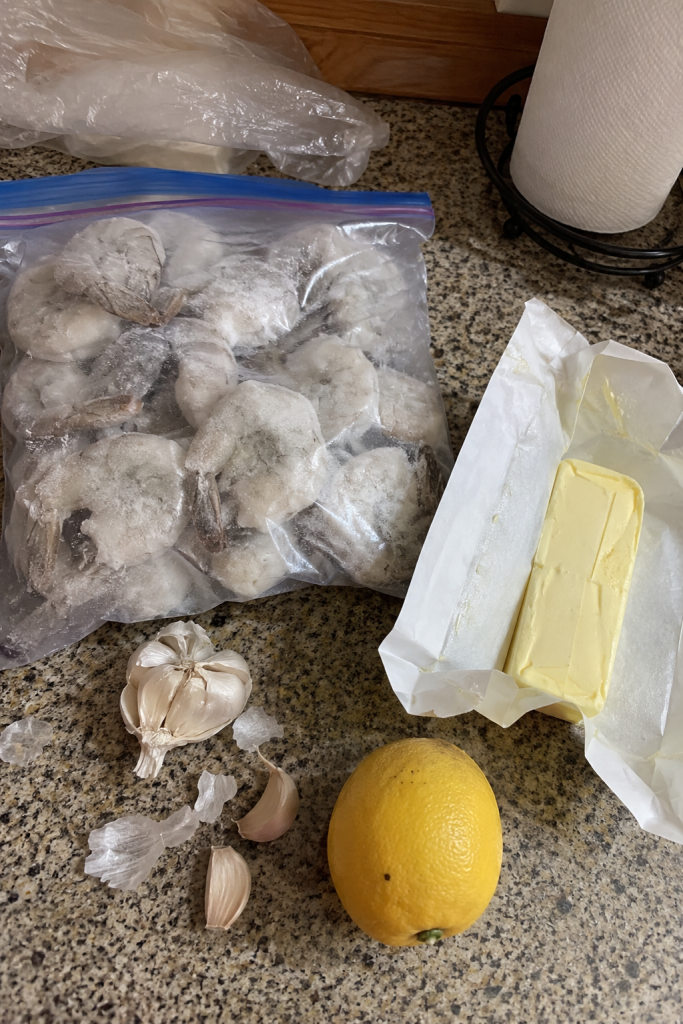
A large skillet (12-inch, stainless steel or cast iron sears the best) and a colander for rinsing are all the equipment this needs. Tongs or a fish spatula make flipping easier.
- 1 pound frozen raw shrimp, peeled and deveined — look for bags labeled “easy peel” to save time. Large or jumbo (26-30 count) hold up best in a hot pan; the number on the bag tells you exactly how many shrimp per pound.
- 3 tablespoons unsalted butter, divided
- 1 tablespoon olive oil — keeps the butter from burning over high heat
- 4 cloves garlic, minced (or 1 tablespoon jarred minced garlic)
- 1/2 lemon, juiced (about 2 tablespoons)
- Salt and black pepper, to taste
- 2 tablespoons chopped fresh parsley, optional, for serving
Step-by-Step Instructions
- Quick-thaw under cold water. Dump the frozen shrimp into a colander and run cold water over them for 2 to 3 minutes, tossing occasionally, until they’re pliable and no longer icy. Skip hot water — it starts cooking the outside before the inside catches up.
- Pat completely dry. Spread the shrimp on paper towels and pat both sides dry. This matters more than it seems — wet shrimp steam in the pan instead of searing, so you lose that golden edge.
- Season. Toss the shrimp with salt and pepper.
- Heat the pan. Add the olive oil and 1 tablespoon butter to the skillet over medium-high heat. Wait until it’s shimmering-hot and the butter has stopped foaming, about 2 minutes.
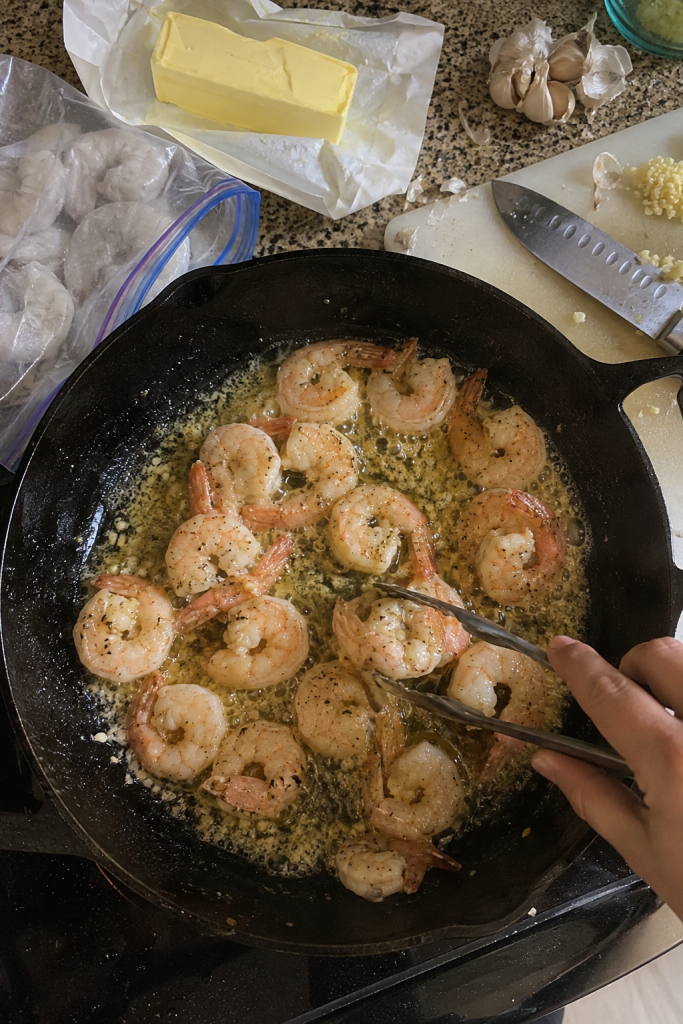
- Sear the shrimp. Add them in a single layer without crowding — work in two batches if needed. Cook 1 to 2 minutes per side, until they turn pink and opaque and curl into a loose “C.” An overcooked shrimp curls into a tight “O,” so pull them the moment they hit the C.
- Make the garlic butter. Push the shrimp to one side, add the remaining butter and garlic, and cook 30 seconds, just until fragrant and your kitchen smells like a seafood restaurant.
- Finish and serve. Squeeze in the lemon juice, toss everything together, and sprinkle with parsley. Serve right away, while the butter sauce is still glossy.
Pro Tips
- Don’t skip patting the shrimp dry. It’s the single biggest reason home-cooked shrimp turns out steamed and gray instead of seared and golden.
- Buy by the count, not the size name. “Large” and “jumbo” mean different things at different stores — the number on the bag (like 26-30 or 21-25) is the reliable guide.
- Don’t crowd the pan. Overlapping shrimp trap steam instead of searing. Cook in batches if your skillet runs small.
- Watch the shape, not the clock. Shrimp go from perfect to rubbery in under a minute, so let the curl be your timer.
- Save the shells for stock. If you’re using tail-on shrimp, freeze the shells and tails in a bag for homemade seafood stock later.
Variations & Alternatives
- Spicy version: Add a pinch of red pepper flakes along with the garlic.
- Creamy version: Stir in 2 tablespoons of heavy cream with the lemon juice for a light pan sauce.
- Turn it into a full meal: Double the butter and toss the finished shrimp with cooked linguine or steamed rice.
- Dairy-free: Swap the butter for olive oil throughout — you’ll lose some richness but keep the garlic flavor.
Storage & Reheating
Refrigerate leftover cooked shrimp in an airtight container for up to 3 days. Reheat gently in a skillet over low heat for a minute or two, or eat it cold over a salad. Shrimp toughen fast in the microwave, so keep reheating short and low if that’s your only option. Cooked shrimp don’t freeze well — the texture turns rubbery — so it’s best to only cook what you’ll eat within a few days.
FAQ
Can you cook shrimp straight from frozen? Yes. A quick cold-water rinse, 2 to 3 minutes, thaws them just enough to cook evenly — no overnight thawing needed.
How do I know when shrimp are done cooking? They turn pink and opaque and curl into a “C” shape. A tight “O” shape means they’ve gone past done.
Why did my shrimp turn out rubbery? Almost always overcooking. Shrimp only need 3 to 4 minutes total in a hot pan, so pull them the moment they curl and turn opaque.
Can I use frozen cooked shrimp instead of raw? You can, but cut the cooking time to 1 to 2 minutes total, since they only need reheating, not cooking through.
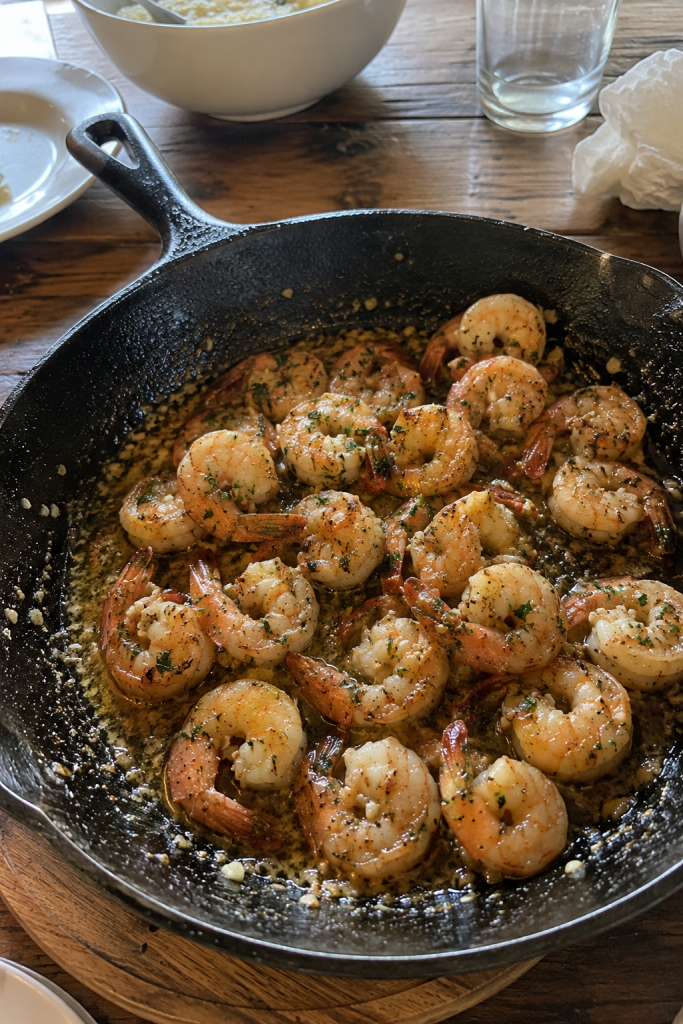
15-Minute Garlic Butter Shrimp (From Frozen) — Recipe Card
Prep Time: 10 minutes Cook Time: 5 minutes Total Time: 15 minutes Servings: 3 to 4 Course: Main Dish Cuisine: American
Ingredients
- 1 lb frozen raw shrimp, peeled and deveined
- 3 tbsp unsalted butter, divided
- 1 tbsp olive oil
- 4 cloves garlic, minced
- 1/2 lemon, juiced (about 2 tbsp)
- Salt and black pepper, to taste
- 2 tbsp chopped fresh parsley, optional
Instructions
- Run frozen shrimp under cold water 2 to 3 minutes to thaw; pat completely dry.
- Season with salt and pepper.
- Heat olive oil and 1 tbsp butter in a large skillet over medium-high heat.
- Sear shrimp 1 to 2 minutes per side, until pink and curled into a “C.”
- Push shrimp aside; add remaining butter and garlic, cook 30 seconds.
- Stir in lemon juice, toss, top with parsley, and serve immediately.