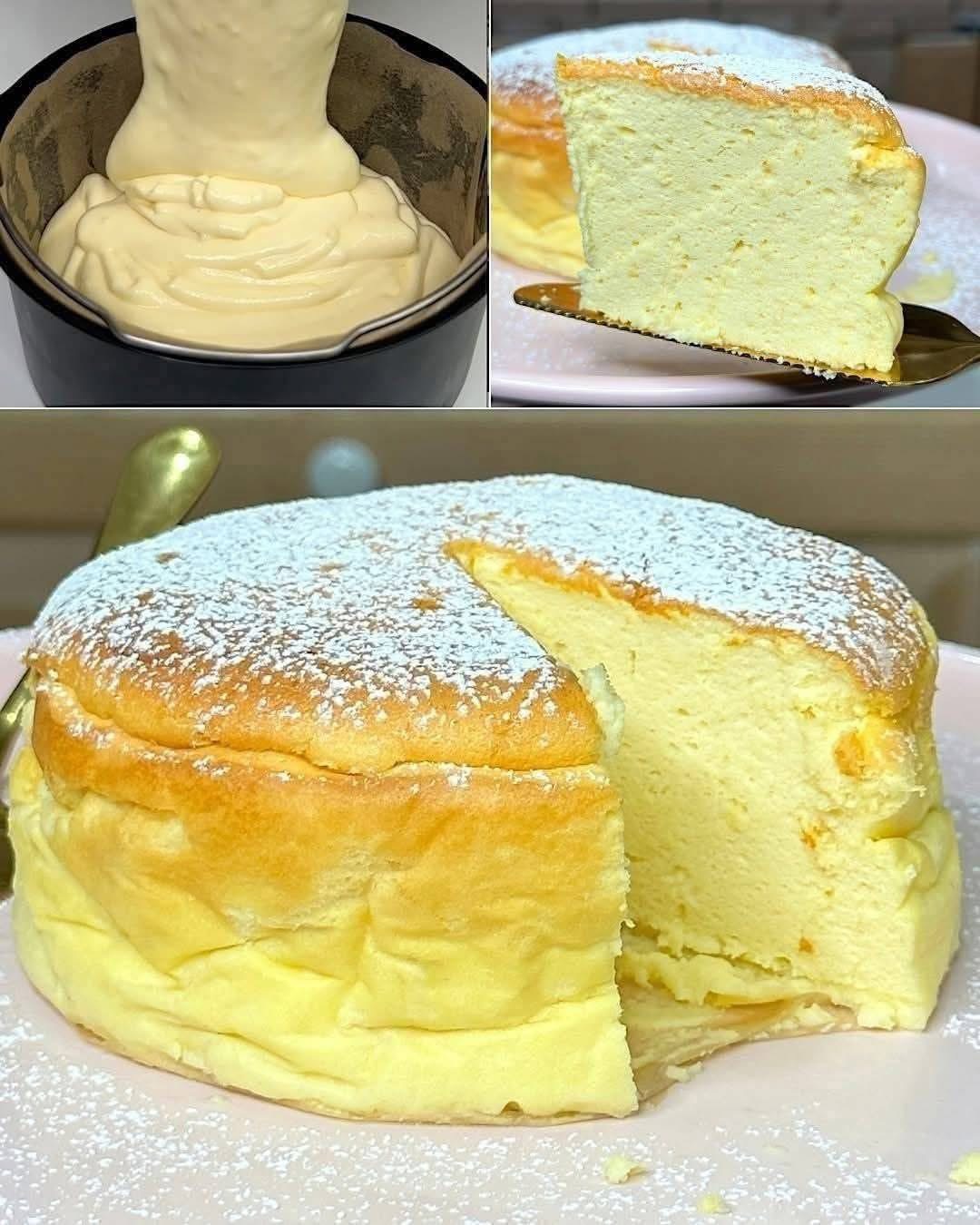
Background of the Recipe
The vanilla butter cake is a cornerstone of classic baking. Long before elaborate frostings and layered desserts became popular, simple butter cakes were baked to celebrate everyday moments. Made with pantry staples—flour, butter, sugar, eggs, and milk—these cakes focused on technique and balance rather than decoration.
The addition of buttermilk sauce draws inspiration from traditional Southern desserts, where warm sauces are often poured over cakes to enhance flavor and texture. Buttermilk brings a subtle tanginess that contrasts beautifully with vanilla and butter, while also adding richness without heaviness.
This combination results in a cake that is:
- Tender but structured
- Sweet but not cloying
- Simple yet deeply satisfying
Ingredients for Vanilla Butter Cake
Cake Ingredients
- 250 g (2 cups) all-purpose flour
- 2 ½ teaspoons baking powder
- ½ teaspoon salt
- 170 g (¾ cup) unsalted butter, softened
- 200 g (1 cup) granulated sugar
- 3 large eggs, room temperature
- 2 teaspoons pure vanilla extract
- 180 ml (¾ cup) whole milk, room temperature
Buttermilk Sauce Ingredients
- 120 g (½ cup) unsalted butter
- 200 g (1 cup) brown sugar (light or dark)
- 180 ml (¾ cup) buttermilk
- 1 teaspoon vanilla extract
- Pinch of salt
Essential Tools You’ll Need
- Mixing bowls (medium and large)
- Electric mixer or stand mixer
- Whisk and rubber spatula
- 23 cm (9-inch) round or square cake pan
- Saucepan (medium)
- Cooling rack
Preparing the Cake Batter
Step 1: Preheat and Prepare the Pan
Preheat your oven to 175°C (350°F). Grease the cake pan generously with butter, then lightly dust with flour. This ensures the cake releases cleanly after baking.
Step 2: Combine Dry Ingredients
In a bowl, whisk together the flour, baking powder, and salt. Whisking helps distribute the leavening evenly, which is key for a uniform crumb.
Step 3: Cream Butter and Sugar
In a large bowl, beat the softened butter and sugar together for 3–4 minutes until pale, fluffy, and light. This step incorporates air into the batter, contributing to a tender texture.
Step 4: Add Eggs and Vanilla
Add the eggs one at a time, beating well after each addition. Scrape down the sides of the bowl to ensure everything is evenly mixed. Add the vanilla extract and mix briefly.
Step 5: Alternate Dry Ingredients and Milk
Add the dry ingredients in three additions, alternating with the milk. Begin and end with the dry ingredients. Mix on low speed just until combined—overmixing can lead to a dense cake.
Baking the Vanilla Butter Cake
Pour the batter into the prepared pan and smooth the top with a spatula. Tap the pan gently on the counter to release any trapped air bubbles.
Bake for 35–40 minutes, or until:
- The top is lightly golden
- A toothpick inserted in the center comes out clean
- The cake springs back when gently pressed
Remove from the oven and place on a cooling rack. Allow the cake to cool slightly while preparing the sauce.
Making the Buttermilk Sauce
Step 1: Melt the Butter
In a saucepan over medium heat, melt the butter completely. Stir gently to avoid browning.
Step 2: Add Brown Sugar and Buttermilk
Add the brown sugar, buttermilk, and a pinch of salt. Stir continuously until the sugar dissolves.
Step 3: Simmer Gently
Bring the mixture to a gentle simmer and cook for 4–5 minutes, stirring frequently. The sauce should thicken slightly but remain pourable.
Step 4: Finish with Vanilla
Remove from heat and stir in the vanilla extract. The sauce will thicken a bit more as it cools.
Assembling the Cake and Sauce
While the cake is still warm (but not hot), poke small holes across the surface using a skewer or fork. Slowly pour half of the warm buttermilk sauce over the cake, allowing it to soak in.
Reserve the remaining sauce for serving.
Let the cake cool completely before slicing to allow the flavors to settle.
Texture and Flavor Profile
This dessert offers a beautiful contrast:
- Cake: Soft, buttery, lightly sweet, with a fine crumb
- Sauce: Warm, rich, slightly tangy, and caramel-like
Together, they create a dessert that feels indulgent without being overwhelming.
Serving Suggestions
- Serve slices warm with extra buttermilk sauce drizzled on top
- Add a scoop of vanilla ice cream or lightly whipped cream
- Garnish with fresh berries for a touch of freshness
- Dust lightly with powdered sugar for a simple presentation
This cake is equally delicious the next day, making it perfect for preparing ahead.
Storage Tips
- Room temperature: Store covered for up to 2 days
- Refrigerator: Up to 5 days in an airtight container
- Freezing: The cake (without sauce) freezes well for up to 2 months
Reheat gently before serving and warm the sauce separately.
Variations and Creative Twists
Lemon Butter Cake Version
Replace vanilla with lemon zest and lemon extract. The tanginess pairs beautifully with the buttermilk sauce.
Coconut Butter Cake
Substitute half the milk with coconut milk and sprinkle toasted coconut on top.
Spiced Vanilla Cake
Add cinnamon or nutmeg to the batter for a warm, comforting flavor.
Individual Mini Cakes
Bake in muffin tins and spoon sauce over each portion for elegant individual servings.
Nutritional Overview (Approximate)
- Calories per serving: 420
- Fat: Moderate (from butter)
- Sugar: Balanced with buttermilk tang
- Protein: From eggs and dairy
This is a treat-style dessert, best enjoyed in moderation.
Common Mistakes to Avoid
- Overmixing the batter, which leads to a dense cake
- Using cold ingredients, which prevents proper emulsification
- Boiling the sauce too aggressively, causing separation
- Pouring sauce on a fully cooled cake (it won’t absorb as well)
Final Thoughts
The Classic Vanilla Butter Cake with Buttermilk Sauce is proof that simplicity, when done right, can be extraordinary. It’s a recipe rooted in tradition, comfort, and balance—perfect for bakers of all skill levels.