Ingredients
For the roast
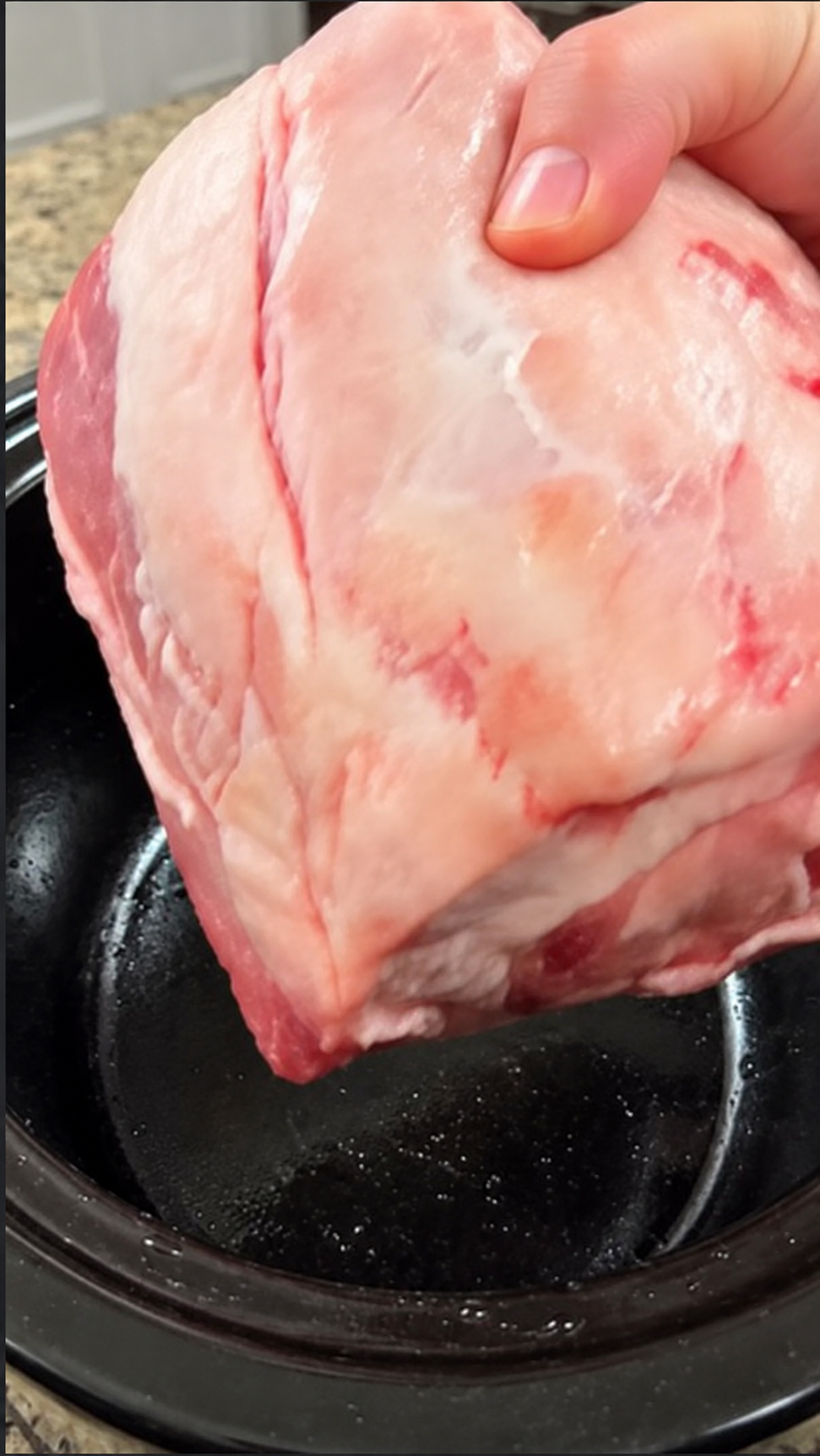
- 1 beef chuck roast, approximately 1.5–2 kg (3–4½ lb)
- 2 tablespoons olive oil
- 2 teaspoons kosher salt
- 1 teaspoon freshly ground black pepper
- 2 teaspoons garlic powder
- 1 teaspoon onion powder
- 1 teaspoon dried thyme
- 1 teaspoon dried rosemary
- 1 teaspoon paprika
- 4 cloves garlic, minced
- 2 tablespoons Worcestershire sauce
- 2 cups beef broth
- 1 tablespoon tomato paste
- 2 bay leaves
For the vegetables
- 5–6 medium carrots
- 5–6 medium potatoes
- 2 large yellow onions
- 2–3 celery stalks, optional
- 1 tablespoon olive oil
- ½ teaspoon salt
- ½ teaspoon black pepper
Optional gravy
- 2 tablespoons butter
- 2 tablespoons all-purpose flour
- 2 cups strained cooking liquid from the slow cooker
Step 1: Prepare the vegetables
Start by washing and preparing all of your vegetables.
Peel the carrots if desired and cut them into large pieces. Try not to make the pieces too small because they will be cooking for several hours. Larger chunks hold their shape much better.
Peel the potatoes if you prefer a traditional pot roast, or leave the skins on for a more rustic presentation. Cut larger potatoes into halves or quarters. If you’re using small baby potatoes, you can leave them whole.
Peel the onions and cut them into thick wedges.
If you’re adding celery, cut it into approximately 2-inch pieces.
The vegetables should be relatively similar in size so that they cook evenly.
Place the onions, carrots, and potatoes into the bottom of your slow cooker. The vegetables create a natural bed for the roast and will also absorb the flavorful juices released during cooking.
Step 2: Season the roast
Pat the roast dry with paper towels. This is an important step because removing excess moisture helps the seasoning stick to the surface and makes it easier to brown the meat.
In a small bowl, combine:
- Salt
- Black pepper
- Garlic powder
- Onion powder
- Thyme
- Rosemary
- Paprika
Rub the seasoning mixture generously over every side of the roast.
Make sure you season the edges as well as the top and bottom. A large roast needs enough seasoning to flavor the entire piece of meat.
For an even deeper flavor, you can make several small cuts in the surface of the roast and insert small pieces of fresh garlic into them.
Step 3: Brown the roast
This step is optional, but highly recommended.
Heat the olive oil in a large skillet over medium-high heat. When the oil is hot, carefully place the seasoned roast into the skillet.
Sear the roast for approximately 3–5 minutes per side, turning it carefully with tongs.
You are not trying to cook the roast through at this stage. The goal is simply to develop a deep brown crust.
Browning creates additional roasted flavors that make the finished pot roast taste richer and more complex.
Once all sides are nicely browned, transfer the roast to the slow cooker and place it directly on top of the vegetables.
If you are short on time, you can skip the browning step and place the seasoned roast directly into the slow cooker. The final dish will still be delicious, although the flavor will be slightly less developed.
Step 4: Prepare the cooking liquid
In a measuring jug or bowl, combine the beef broth, Worcestershire sauce, tomato paste, and minced garlic.
Whisk everything together until the tomato paste is mostly dissolved.
Pour the mixture around the roast rather than directly over the top. This helps preserve some of the seasoning and crust on the meat.
Add the bay leaves.
The liquid doesn’t need to completely cover the roast. In fact, you generally don’t want the meat completely submerged. The slow cooker will trap steam and moisture, while the roast will release additional juices as it cooks.
Step 5: Slow cook the roast
Place the lid securely on the slow cooker.
Cook on:
LOW for 8–9 hours
or
HIGH for approximately 4–5 hours.
For the most tender result, I recommend the LOW setting.
Avoid opening the lid repeatedly during cooking. Every time you remove the lid, heat escapes and the cooking process slows down.
After several hours, the roast should become extremely tender. The vegetables should also be soft enough to pierce easily with a fork.
Cooking times can vary depending on the size and shape of the roast, your slow cooker, and the temperature it maintains, so use tenderness and internal temperature as your guide rather than relying only on the clock.
Step 6: Check the roast
When the cooking time is nearly complete, carefully open the slow cooker.
The roast should be very tender and should separate easily when tested with a fork.
For food safety, use a meat thermometer to verify that the beef has reached a safe internal temperature. For a traditional pot roast, however, temperature alone doesn’t tell the whole story. Chuck roast contains connective tissue that needs sufficient cooking time to become tender.
If the meat is still tough, don’t worry. Toughness often means it simply needs more time.
Cover the slow cooker again and continue cooking until the roast becomes fork-tender.
Step 7: Rest the meat
Once the roast is finished, carefully transfer it to a large cutting board or serving platter.
Tent it loosely with aluminum foil and allow it to rest for approximately 10–20 minutes.
Resting allows the juices to redistribute throughout the meat.
If you immediately cut into the roast, some of the flavorful juices can run onto the cutting board instead of remaining in the meat.
While the roast rests, you can finish the vegetables and prepare the gravy.
Step 8: Make an easy gravy
The cooking liquid in the slow cooker is packed with flavor.
Carefully strain approximately 2 cups of the liquid into a saucepan. Remove excess fat from the surface if desired.
Melt 2 tablespoons of butter in the saucepan over medium heat.
Whisk in 2 tablespoons of flour and cook for approximately 1 minute.
Slowly pour in the strained cooking liquid while whisking constantly.
Continue cooking for approximately 3–5 minutes, or until the gravy thickens.
Taste and adjust the seasoning with additional salt and pepper if necessary.
If you prefer a thinner gravy, add a little more broth. If you want it thicker, continue simmering for another minute or two.
Step 9: Serve
Arrange the potatoes, carrots, and onions on a large serving platter.
Place the roast in the center.
You can serve the roast whole and let everyone cut their own portion, or shred or slice the meat before serving.
Spoon some of the homemade gravy over the roast and vegetables.
For an attractive presentation, sprinkle a little freshly chopped parsley over everything.
The result is a beautiful, rustic dinner with tender meat, soft vegetables, and a rich savory sauce.
Helpful Tips for the Best Slow Cooker Roast
Choose the right cut
For a classic pot roast, beef chuck roast is an excellent choice because it contains enough marbling and connective tissue to become tender during long, slow cooking.
Avoid very lean cuts if you want a juicy, fall-apart roast.
Don’t cut the vegetables too small
Large chunks are ideal because they can withstand several hours of cooking without completely falling apart.
If you cut the potatoes and carrots into tiny pieces, they may become overly soft before the roast is ready.
Don’t add too much liquid
A slow cooker retains moisture extremely well. You generally don’t need to fill it with liquid.
Too much broth can dilute the flavor and make the finished dish watery.
Browning makes a difference
Although browning isn’t mandatory, taking a few extra minutes to sear the roast can add a wonderful roasted flavor.
The browned bits left in the skillet can also be deglazed with a little broth and added to the slow cooker.
Let the roast rest
Resting the meat before serving is one of the simplest ways to improve the final texture.
Even 10–15 minutes can make a noticeable difference.
Variations
You can easily customize this recipe according to what you have available.
For a richer flavor, add mushrooms during the final few hours of cooking.
For a slightly sweeter flavor, add a tablespoon of honey or brown sugar to the cooking liquid.
For extra savory flavor, add a packet of onion soup mix or a small amount of soy sauce.
You can also add parsnips, turnips, mushrooms, or additional celery.
If you enjoy garlic, increase the fresh garlic to 5–6 cloves.
For a more herb-forward roast, add fresh rosemary and thyme during cooking and garnish with fresh parsley before serving.
Storage and Reheating
Allow leftovers to cool before transferring them to airtight containers.
Store the cooked beef and vegetables in the refrigerator and use them within a few days.
The roast can also be frozen in an airtight freezer-safe container. For best texture, store some of the cooking juices with the meat so it doesn’t dry out during reheating.
To reheat, gently warm the meat and vegetables in a covered pan or microwave until heated through. Adding a little reserved gravy or broth helps keep the meat moist.
Leftover pot roast is also excellent in sandwiches, tacos, wraps, or over mashed potatoes.
Final Thoughts
This Slow Cooker Pot Roast with Carrots, Potatoes, and Onions is the kind of recipe that turns simple ingredients into a deeply satisfying homemade meal. The preparation is straightforward: season the roast, arrange the vegetables, add the flavorful broth, and let the slow cooker do most of the work.
After several hours, you’ll have tender beef surrounded by soft carrots, potatoes, and onions, all infused with the savory juices from the roast. A simple homemade gravy brings everything together and makes the dish especially comforting.
Serve it for Sunday dinner, a family gathering, or whenever you’re craving a hearty meal that tastes like it has been cooking all day—because it has.
Prep Time: 25 minutes
Cook Time: 8–9 hours on LOW
Total Time: About 9 hours 30 minutes
Servings: 6–8
Difficulty: Easy
Best served with: Homemade gravy, green beans, dinner rolls, or a fresh green salad.