The Spirit of the Dish
Breaded fish is timeless. It’s the kind of food that feels familiar across cultures—whether it’s British fish and chips, Japanese katsu, Mediterranean fried fillets, or American diner platters. The magic lies in the coating: crisp, golden, seasoned just right, hugging tender fish that flakes apart with ease.
The first time I made breaded fish, I rushed the dredging process. I dipped the fillets quickly, skipped pressing the breadcrumbs firmly, and fried them at too high a heat. The result? Patchy coating, uneven browning, and fish that was dry inside. The second time, I slowed down—patting the fish dry, seasoning carefully, dredging in flour, dipping in egg, pressing breadcrumbs firmly, and frying at a steady medium heat. The crust turned golden, crunchy, and uniform, while the fish inside stayed moist and flaky. That’s the rhythm this dish demands: patience, precision, and respect for texture.
Ingredients
For the Fish:
- 4 fillets white fish (cod, haddock, tilapia, or hake)
- Salt and freshly cracked black pepper
- Juice of half a lemon
For the Breading Station:
- 1 cup all-purpose flour
- 2 large eggs, beaten
- 2 cups breadcrumbs (panko for extra crunch, or fine crumbs for smoother coating)
- ½ teaspoon paprika
- ½ teaspoon garlic powder
- ½ teaspoon dried parsley
- Pinch of cayenne (optional for heat)
For Frying:
- 1 cup vegetable oil (sunflower or canola)
Optional Garnishes:
- Lemon wedges
- Fresh parsley
- Tartar sauce or aioli
Step-by-Step Method
Step 1: Prep the Fish Pat fillets dry with paper towels. Season with salt, pepper, and lemon juice. 👉 Why: Dry fish ensures coating sticks; seasoning penetrates before breading.
Step 2: Set Up Breading Station Place flour in one bowl, beaten eggs in another, breadcrumbs mixed with spices in a third. 👉 Why: Organized dredging prevents mess and ensures even coating.
Step 3: Dredge the Fish Dip each fillet in flour, shaking off excess. Dip in egg, then press firmly into breadcrumbs. 👉 Visual cue: Fillet should be fully coated, no bare spots.
Step 4: Rest the Coated Fish Place breaded fillets on a tray, let sit 10 minutes. 👉 Why: Resting helps coating adhere, prevents it from sliding off during frying.
Step 5: Fry the Fish Heat oil in skillet to 350°F (175°C). Fry fillets 3–4 minutes per side until golden brown. 👉 Visual cue: Crust deep golden, fish opaque and flaky inside.
Step 6: Drain and Serve Place fillets on paper towels to absorb excess oil. Serve hot with lemon wedges and sauce.
Mistakes to Avoid
- Skipping flour dredge: Coating won’t stick.
- Too hot oil: Burns crust before fish cooks.
- Crowding pan: Drops oil temperature, leads to soggy coating.
- Skipping rest: Coating may peel off.
Variations
- Use cornmeal instead of breadcrumbs for Southern-style crunch.
- Add Parmesan to breadcrumbs for cheesy crust.
- Try beer batter instead of breading for pub-style fish.
- Bake instead of fry for lighter version.
Storage
- Best eaten fresh.
- Refrigerate leftovers up to 2 days, reheat in oven to restore crispness.
- Avoid microwaving—coating turns soggy.
Serving Suggestions
Pair with fries for classic fish and chips. Serve with rice and salad for lighter meal. Add tartar sauce, garlic aioli, or spicy mayo for dipping. A crisp lager or iced tea balances richness.
Cultural Context
Breaded fish appears everywhere. In Britain, it’s battered cod with chips. In Japan, it’s tonkatsu-style fillets. In the Mediterranean, it’s lightly breaded hake with lemon. In America, it’s diner platters with fries and coleslaw. Each culture adapts the technique, but the principle remains: crisp coating, tender fish.
Reflection
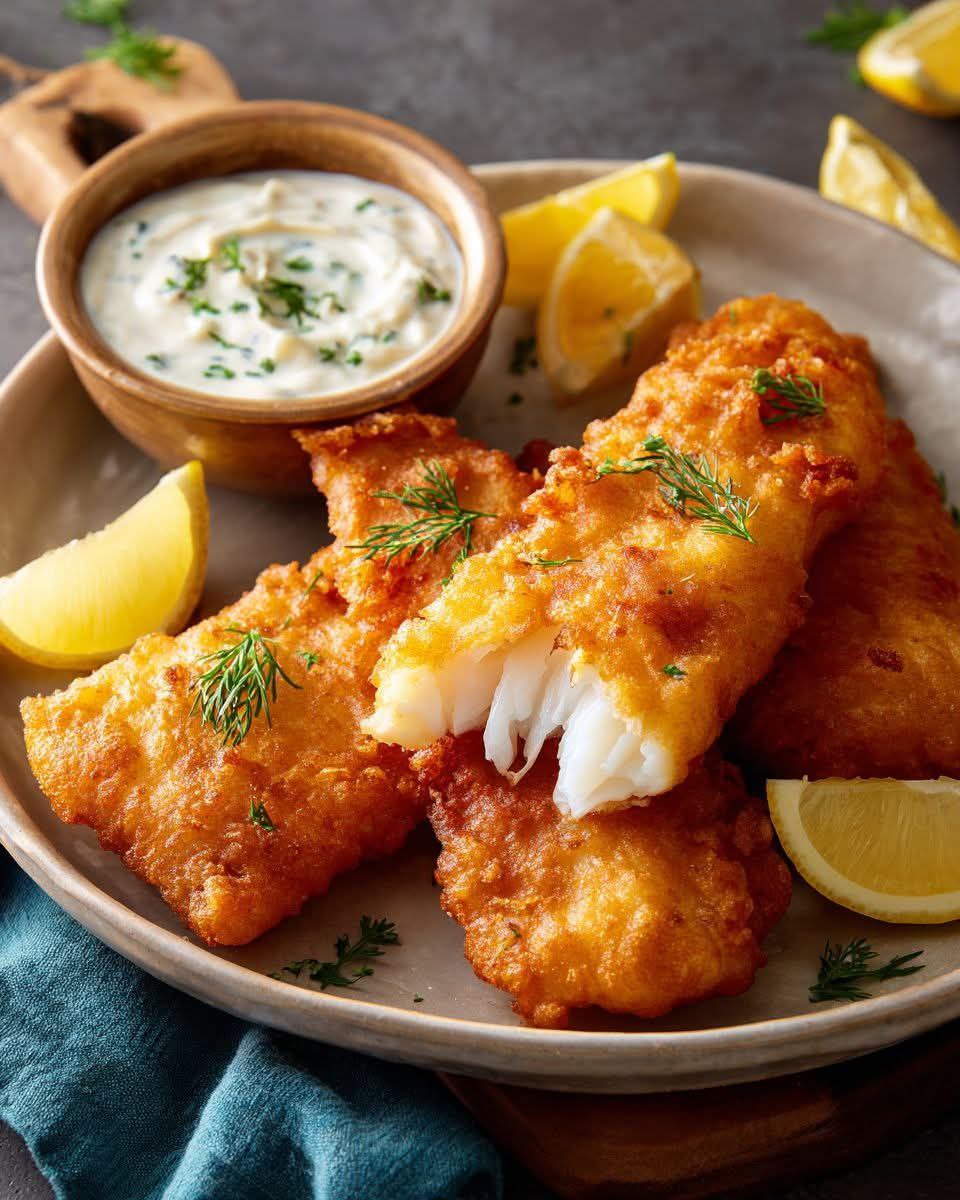
Cooking crispy breaded fish is about contrast. The crust should crunch audibly, the fish inside should flake gently. The aroma of frying—garlic, paprika, butteriness—fills the kitchen. When you plate it, you see golden fillets, lemon wedges glistening, parsley brightening the dish. It’s rustic yet refined, simple yet deeply satisfying.
Final Thoughts
Crispy Breaded Fish is more than a recipe—it’s a universal comfort. Golden, crunchy coating wrapped around tender, flaky fish delivers satisfaction in every bite. It’s indulgent yet approachable, elegant yet casual. Once you master the rhythm—dry fish, proper dredging, steady frying—you’ll have a dish that wins every time.
Every bite delivers contrast: crunch, flake, savor, brightness. It’s timeless, versatile, and endlessly adaptable. Once you make it, you’ll see why breaded fish is beloved worldwide.