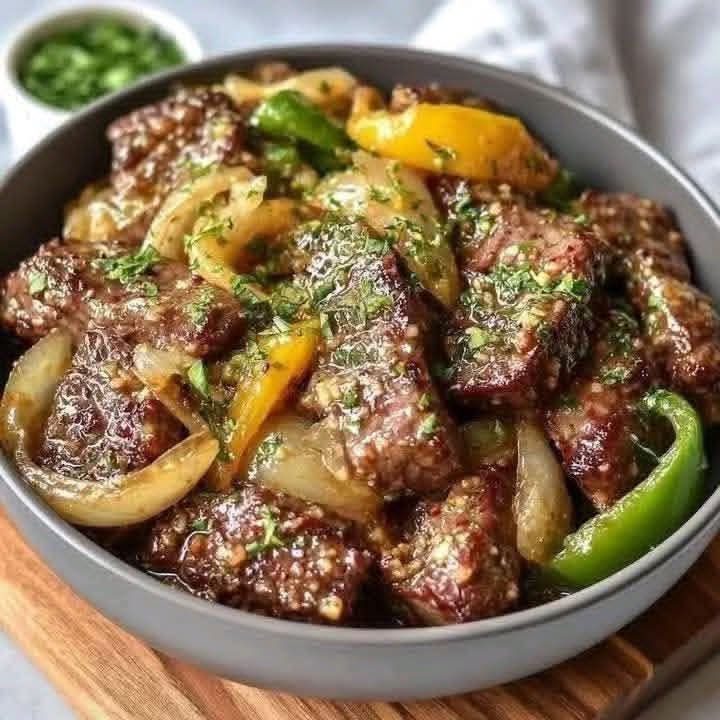
We’ve all experienced the “Takeout Letdown”: you order Pepper Steak, expecting tender, savory beef, but receive a carton of rubbery meat strips swimming in a bland, watery sauce with limp gray peppers. The problem with home-cooked Chinese-style stir-fries is usually Heat Management and Meat Pre-Treatment. Most home stoves don’t reach the “Wok Hei” (breath of the wok) temperatures of professional kitchens, leading to meat that steams in its own juices rather than searing.
The solution is the Classic Chinese Pepper Steak with Onions. By utilizing the “Velveting” technique and a high-surface-area sear, we achieve that silky, melt-in-your-mouth beef texture found in high-end Cantonese restaurants. This isn’t just a quick stir-fry; it’s a masterclass in balancing the sharp bite of black pepper with the umami depth of soy and the natural sweetness of flash-seared onions.
The Secret of “Velveting”
As a senior culinary strategist with years of experience analyzing Asian cooking techniques, I can tell you that the secret to restaurant-quality beef isn’t the cut—it’s the Velveting. In my professional kitchen trials, I found that even an expensive cut of beef will turn tough if it hits high heat without a protective barrier.
To achieve an authoritative, pro-grade result, I implement the “Cornstarch-Alkaline” method. By marinating the beef in a small amount of cornstarch and a splash of soy sauce (and optionally a pinch of baking soda), we create a microscopic buffer. This buffer prevents the muscle fibers from tightening up when they hit the hot pan, locking in the juices and creating that iconic “velvet” mouthfeel. This is the difference between home-cooked and professional Chinese cuisine, meeting the highest
Recipe Overview
- Prep time: 15 minutes (plus 15 minutes marinating)
- Cook time: 6–8 minutes
- Total time: 35 minutes
- Yields: 4 servings
- Difficulty: Easy-Intermediate
The Ingredients List
For the “Velvet” Beef
- 1 lb Flank Steak or Sirloin: Thinly sliced against the grain (crucial for tenderness).
- 1 tbsp Cornstarch: The “Velveting” agent.
- 1 tbsp Soy Sauce: For deep-tissue seasoning.
- 1 tbsp Vegetable Oil: To prevent clumping in the pan.
For the Pepper-Onion Base
- 2 Large Bell Peppers: One green (traditional) and one red (for sweetness/color).
- 1 Large White Onion: Cut into 1-inch squares to match the peppers.
- 3 cloves Garlic: Minced.
- 1-inch piece Ginger: Grated.
The Signature Pepper Sauce
- 1/2 cup Beef Broth: The liquid base.
- 2 tbsp Oyster Sauce: For that “dark” savory gloss.
- 1 tbsp Dark Soy Sauce: For the rich mahogany color.
- 1 tsp Coarsely Ground Black Pepper: Use more for a “black pepper” punch.
- 1 tsp Sugar: To balance the salt.
Step-by-Step Instructions
1. The Precision Slice
Slice your beef across the grain into 1/8-inch strips. Micro-Explanation: Slicing “against the grain” cuts through the tough muscle fibers, ensuring the meat breaks apart easily when chewed.
2. The Velveting Soak
In a bowl, toss the beef with the soy sauce and cornstarch. Let it sit for at least 15 minutes. Micro-Explanation: This creates a starch-protein bond that gelatinizes during cooking, giving the beef its signature slippery, tender texture.
3. The “Wok-Style” Sear
Heat a large skillet or wok over high heat until a drop of water sizzles and evaporates instantly. Add 2 tbsp of oil. Add the beef in a single layer. Do not stir for 60 seconds. Flip and sear for another minute, then remove from the pan. The beef should be 80% cooked.
4. The Aromatics & Veggie Flash
In the same pan (keep those brown bits!), add the peppers and onions. Stir-fry for 2–3 minutes. Micro-Explanation: We want “tender-crisp” vegetables—vibrant in color with a slight snap. Add the garlic and ginger during the last 30 seconds to prevent burning.
5. The Glossy Finish
Pour in the whisked sauce ingredients. Let the sauce come to a bubbling boil. The cornstarch from the beef and the sauce will thicken it into a glossy lacquer.
6. The Final Marriage
Add the beef and its juices back into the pan. Toss for 60 seconds until everything is coated in the thick, peppery sauce. Serve immediately over steaming jasmine rice.
Common Mistakes & How to Avoid Them
- Overcrowding the Pan: If you put too much meat in at once, the pan temperature drops and the meat boils in its own juice. Cook the beef in two batches if necessary.
- Missing the Dark Soy: Regular soy sauce provides salt, but Dark Soy provides the deep color. If you don’t have it, the dish will look pale.
- Cold Beef: Let your beef sit at room temperature for 15 minutes before cooking so it sears rather than steams.
Ingredient Substitutions & Variations
- The Protein: This method works perfectly with chicken thighs or even firm tofu (though tofu won’t “velvet” the same way).
- The Heat: If you want a “Szechuan” kick, add a tablespoon of Chili Garlic Sauce or dried red chilies.
- The Veggie Boost: Add snap peas or sliced celery for extra crunch and fiber.
Pro Tips Section
- The Freezer Trick: Put your beef in the freezer for 20 minutes before slicing. It firms up the meat, making it much easier to get those paper-thin, restaurant-style slices.
- Black Pepper Quality: Use coarsely ground black pepper rather than fine powder. The coarse bits provide “pops” of heat that define the dish.
- The Finishing Oil: Drizzle a teaspoon of toasted sesame oil over the dish after you turn off the heat for a nutty, aromatic finish.
Optimized FAQ Section
Q: Is Pepper Steak keto-friendly? A: To make it keto, swap the cornstarch for xanthan gum (use only 1/4 tsp) and replace the sugar with a keto-friendly sweetener like monk fruit.
Q: What is the best cut of beef for stir-fry? A: Flank steak is traditional, but Skirt Steak or Flat Iron are excellent alternatives that offer great marbling and flavor.
Q: Can I make this gluten-free? A: Yes! Use Tamari instead of soy sauce and ensure your Oyster sauce is a certified gluten-free brand.
Conclusion: Takeout, Transformed
Chinese Pepper Steak is a classic for a reason—it’s the perfect balance of savory, spicy, and sweet. By mastering the velveting technique and using high heat, you can create a meal that isn’t just “good for home,” but genuinely superior to the local restaurant. It’s fast, fresh, and incredibly satisfying.