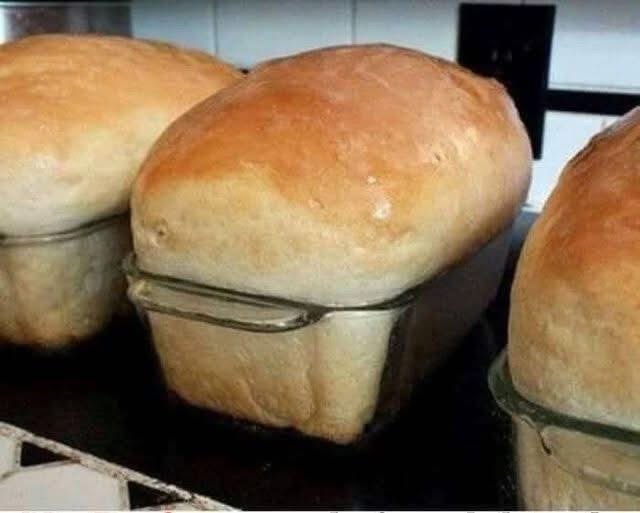
Ingredients
Main Ingredients
- 4 cups all-purpose flour (or bread flour)
- 2 ¼ teaspoons active dry yeast (1 packet)
- 1 ½ cups warm water or milk
- 2 tablespoons sugar
- 1 ½ teaspoons salt
- 2 tablespoons butter (softened) or vegetable oil
Optional Ingredients
- 1 tablespoon honey (for slightly sweet bread)
- 1 tablespoon milk powder (for softer texture)
- 1 egg (for richer dough)
Step 1: Activate the Yeast
In a small bowl combine:
- Warm water or warm milk (about 110°F / 43°C)
- Sugar
- Yeast
Stir gently and allow the mixture to sit for 5–10 minutes.
If the yeast is active, it will begin to foam on the surface. This step ensures the yeast is alive and ready to help the bread rise.
Step 2: Mix the Dough
In a large mixing bowl combine:
- Flour
- Salt
Pour in the activated yeast mixture.
Add:
- Butter or oil
Mix the ingredients together until a soft dough begins to form.
You can mix using a wooden spoon or a stand mixer with a dough hook.
Step 3: Knead the Dough
Transfer the dough to a lightly floured surface.
Knead the dough for 8–10 minutes.
During kneading the dough will become:
- Smooth
- Elastic
- Slightly sticky but manageable
Kneading develops gluten, which gives bread its structure and chewiness.
If the dough sticks too much, sprinkle a little flour while kneading.
Step 4: First Rise
Place the dough in a lightly greased bowl.
Cover with a clean towel or plastic wrap.
Let the dough rise in a warm place for 1–1.5 hours, or until it doubles in size.
During this time the yeast ferments the sugars in the dough and produces carbon dioxide, which causes the dough to expand.
Step 5: Shape the Dough
Once the dough has doubled in size, gently punch it down to release excess gas.
Transfer the dough to a floured surface.
Shape it into a rectangle and roll it tightly into a loaf shape.
Place the dough into a greased loaf pan.
Step 6: Second Rise
Cover the loaf pan with a towel and allow the dough to rise again for 30–40 minutes.
The dough should rise slightly above the top of the pan.
This second rise creates a lighter and fluffier loaf.
Step 7: Preheat the Oven
Preheat your oven to 375°F (190°C).
Proper oven temperature ensures even baking and a beautiful golden crust.
Step 8: Bake the Bread
Place the loaf pan in the preheated oven.
Bake for 30–35 minutes.
The bread is ready when:
- The top is golden brown
- The loaf sounds hollow when tapped on the bottom
If the crust becomes too dark, cover loosely with foil.
Step 9: Cool the Bread
Remove the bread from the pan and place it on a wire rack.
Allow it to cool for at least 30 minutes before slicing.
Cutting bread too early may cause the interior to become gummy.
Serving Suggestions
Fresh homemade bread can be enjoyed in many ways.
Serve it with:
- Butter
- Jam or honey
- Peanut butter
- Cheese
It is also perfect for:
- Sandwiches
- French toast
- Grilled cheese
- Garlic bread
Tips for Perfect Homemade Bread
Use Warm Liquid
Water or milk should be warm but not hot.
Knead Thoroughly
Proper kneading ensures soft bread.
Allow Enough Rising Time
Rushing the rise results in dense bread.
Bake Fully
Undercooked bread may collapse.
Flavor Variations
Honey Bread
Add extra honey for sweetness.
Garlic Herb Bread
Mix garlic powder and herbs into the dough.
Whole Wheat Bread
Replace half the flour with whole wheat flour.
Milk Bread
Use milk instead of water for softer texture.
Storage
Homemade bread does not contain preservatives, so it should be stored properly.
Room temperature: 2–3 days
Wrap the loaf in plastic wrap or store in an airtight container.
For longer storage:
Freeze slices for up to 2 months.
Why Homemade Bread Tastes Better
Homemade bread often tastes better than store-bought bread because it uses fresh ingredients and no artificial preservatives.
The slow fermentation process allows flavors to develop naturally.
Additionally, baking bread at home allows you to control ingredients and customize the flavor.
History of Bread
Bread is one of the oldest foods in human history. Archaeological evidence suggests humans have been baking bread for over 10,000 years.
Early bread was made from simple grains and water. Over time, techniques improved and yeast fermentation created the soft, fluffy bread we know today.
Today bread remains a staple food in many cultures around the world.
Final Thoughts
Homemade white bread is simple, comforting, and incredibly satisfying to make. From mixing the dough to watching it rise and finally enjoying a warm slice, baking bread is both relaxing and rewarding.