Garlic Butter Lobster & Scallops The Ultimate Guide to Seafood Luxury
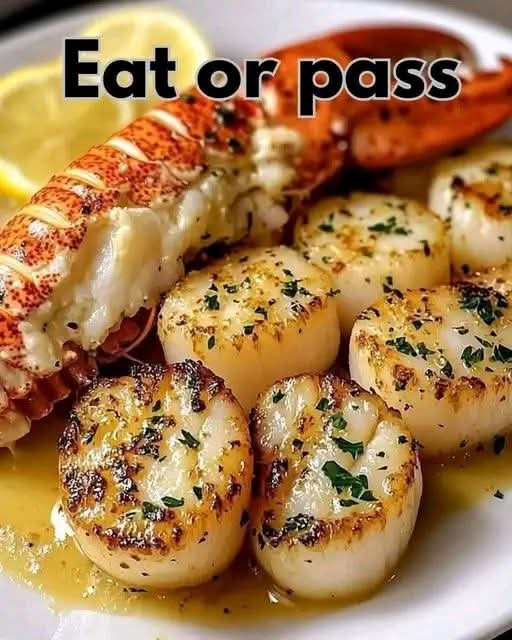
The Garlic Butter Lobster & Scallops platter, as brilliantly captured in your culinary gallery, represents the absolute peak of surf-and-turf elegance (minus the turf). This dish is a masterclass in high-heat precision, where the delicate, oceanic sweetness of North Atlantic lobster tail meets the buttery, marshmallow-soft texture of perfectly seared jumbo sea scallops. Bathed in a rich, golden garlic butter emulsion and flecked with vibrant micro-herbs, this meal is the definitive choice for celebratory dining and gourmet enthusiasts.
Achieving the professional “mahogany sear” on the scallops and the beautifully “puffed” lobster meat seen in your photo—where the seafood glistens under a light citrus wash—requires a technical understanding of the Maillard reaction, protein denaturation, and the art of the butter baste. This comprehensive guide explores the culinary science and refined techniques necessary to master this seafood masterpiece.
1. The Anatomy of a Perfect Seafood Platter
A successful luxury seafood plate relies on a delicate balance of moisture and high-intensity heat. Based on the visual evidence in your gallery, this dish achieves perfection through four critical sensory layers:
- The Succulent Lobster Tail: A perfectly split and “butterflied” tail, where the meat has been lifted to sit atop its own shell, creating a natural pedestal for the garlic butter to pool.
- The Caramelized Sea Scallops: Jumbo scallops featuring a distinct, golden-brown crust on the top and bottom, while the centers remain translucent and tender.
- The Garlic Butter “Golden Pool”: A rich, broken-butter sauce at the base of the plate that acts as a dipping reservoir for every bite.
- The Bright Citrus & Herb Garnish: Freshly sliced lemon rounds and a dusting of finely minced parsley that provide the essential acidity needed to cut through the heavy fats of the butter.
2. Technical Precision: Mastering the Scallop Sear
The scallops in your photo are a highlight of technical execution, showing no signs of “rubberiness” or excess moisture.
The Science of the Crust
To replicate the perfectly browned tops seen in your image:
- The “Bone Dry” Rule: Scallops must be patted dry with paper towels until they are tacky to the touch. Any surface moisture will cause them to steam rather than sear.
- The High-Smoke Point Start: Use a heavy stainless steel or cast-iron pan. Begin with a high-smoke point oil (like grapeseed) rather than butter, which would burn at the temperatures required for that deep sear.
- The Butter Baste: Only once the crust has formed do you add the garlic and butter to the pan. Tilting the pan and spooning the foaming butter over the scallops (the arroser technique) adds flavor without burning the delicate flesh.
3. The Architecture of the Lobster Tail
The presentation in your collection shows the lobster meat protruding beautifully from the shell, a technique known as “butterflying”.
- The Split: Use kitchen shears to cut down the center of the top shell, stopping just before the tail fin.
- The Lift: Gently pull the meat upward through the slit and rest it on top of the shell. This allows the heat to circulate around the meat evenly while the shell protects the bottom from overcooking.
- The Broil: A high-heat broil for 8–10 minutes creates the slightly charred, “puffed” appearance visible in your photo, locking in the sweetness.
4. The Garlic Butter Emulsion: Liquid Gold
The sauce visible at the base of your platter is more than just melted butter; it is an infused aromatic base.
- The Garlic Bloom: Finely minced garlic should be “bloomed” in warm butter just until it becomes fragrant. If it turns brown, it will become bitter and ruin the sweetness of the scallops.
- The Lemon Integration: Adding fresh lemon juice at the very end emulsifies the sauce, giving it the glossy, opaque look seen in your gallery.
5. Nutritional Profile: High-Protein Elegance
While this is an indulgent “luxury” meal, lobster and scallops are among the leanest and most nutrient-dense protein sources available.
| Component | Primary Contribution | Functional Note |
| Lobster Tail | Protein & Selenium | Low in fat but high in minerals that support thyroid health. |
| Sea Scallops | Magnesium & B12 | Promotes cardiovascular health and provides a clean energy boost. |
| Garlic Butter | Healthy Fats | Carries the fat-soluble vitamins and provides intense satiety. |
| Fresh Parsley | Vitamin K | Adds a micro-boost of antioxidants and visual “freshness”. |
6. Artistic Presentation and Staging
To match the aesthetic of your “Garlic Butter Lobster & Scallops” photo, follow these staging principles:
- The “S” Curve: Arrange the lobster tail at the top of the plate and the scallops in a gentle curve below it. This creates a dynamic, high-end restaurant feel.
- The Herb Dusting: Sprinkle finely chopped parsley from a height to ensure an even distribution. In your photo, the herbs stick to the butter glaze, creating a beautiful green-on-gold contrast.
- The Citrus Background: Notice how the lemon slices are slightly out of focus in the background of your image? This provides “color context” while keeping the focus on the expensive seafood proteins.
7. Culinary Inspiration: Integrating Your Gallery
The Garlic Butter Lobster & Scallops platter can be the center of a coordinated multi-course experience:
- The “Surf & Slaw” Pairing: Serve these buttery proteins alongside your Creamy Tuna Coleslaw for a refreshing, crunchy contrast.
- The Ultimate Side: Accompany this dish with the Easy Cheese Garlic Bread from your gallery to soak up every drop of the garlic butter sauce.
- The Starch Foundation: For a heavier meal, serve the scallops and lobster over a bed of the Spiced Rice or even the Four Cheese Macaroni for a truly decadent fusion.
- The Breakfast Twist: Use any leftover lobster or scallops in your Scrambled Eggs with Spinach & Mushroom the following morning for a 5-star brunch.
8. Frequently Asked Questions (FAQ)
How do I know when the scallops are done?
Scallops only need about 90 seconds per side. They should feel like a firm marshmallow when pressed. If they are tough, they have been overcooked.
What is the best butter to use?
For the result in your photo, a high-fat European-style butter is best because it has a lower water content, leading to a richer, glossier sauce.
Can I use frozen seafood?
Yes, but you must thaw them completely in the refrigerator and dry them aggressively. Frozen scallops, in particular, often contain “tri-polyphosphate,” which causes them to release excess water—avoid these if you want the sear seen in your photo.