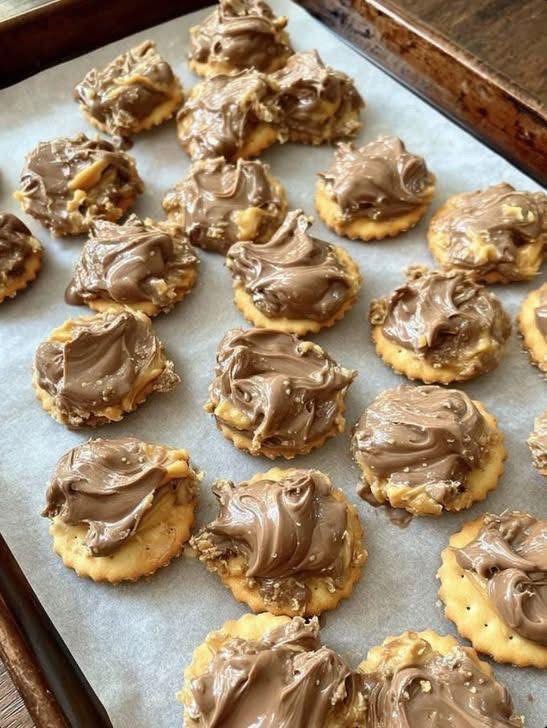
Ingredients for the Vanilla Cake
- 2 cups all-purpose flour
- 1 ½ cups granulated sugar
- 1 tablespoon baking powder
- ½ teaspoon salt
- 1 cup whole milk
- ½ cup unsalted butter, melted
- 2 large eggs
- 2 teaspoons pure vanilla extract
Ingredients for the Warm Brown Sugar Glaze
- 1 cup brown sugar (light or dark, both work beautifully)
- ½ cup unsalted butter
- ½ cup heavy cream
- 1 teaspoon vanilla extract
- Pinch of salt
Preparing the Cake Batter
Begin by preheating your oven to 350°F (175°C). Prepare a 13×9-inch baking pan by lightly greasing it or lining it with parchment paper. In a mixing bowl, whisk the flour, sugar, baking powder, and salt until evenly combined. This dry mixture forms the foundation for a cake that is light, airy, and perfectly balanced in sweetness.
In a separate bowl, whisk together the milk, melted butter, eggs, and vanilla extract. Pour the wet mixture into the dry ingredients and stir gently until you have a smooth, cohesive batter. Be careful not to overmix; a tender cake depends on a soft, well-aerated batter. Once fully incorporated, pour the mixture into your prepared pan and spread it evenly.
Bake the cake for 25–30 minutes, or until the top is golden and a toothpick inserted in the center emerges clean. Allow the cake to cool slightly for 5–10 minutes before moving on to the next step.
Creating the Signature Poke Effect
The poke technique is essential to achieving the irresistible texture shown in your image. Using the handle of a wooden spoon, poke holes evenly across the entire cake surface. These indentations allow the warm glaze to seep deep into the cake, guaranteeing rich flavor in every bite.
The holes should be generous in size, spaced approximately one inch apart, and extend nearly to the bottom of the cake. This step not only enhances moisture but also gives the dessert its iconic appearance.
Preparing the Warm Brown Sugar Glaze
To prepare the glaze, combine the brown sugar and butter in a medium saucepan over medium heat. Allow the butter to melt completely while stirring gently to blend it with the sugar. Once the mixture begins to bubble softly, pour in the heavy cream. Continue stirring until the glaze thickens slightly and the brown sugar crystals fully dissolve.
Add a pinch of salt and the teaspoon of vanilla extract to deepen the flavor and introduce a subtle complexity that balances sweetness with richness. The glaze should be warm, smooth, and pourable—this ensures it will flow easily into the holes created in the cake.
Pouring the Glaze Over the Cake
As shown in your image, the glaze should be poured slowly and generously over the surface of the warm cake. Begin in the center and move outward, allowing the glaze to naturally pool and seep into the holes. This step transforms the cake from a simple vanilla sheet cake to a decadent, melt-in-your-mouth delight.
The glaze will thicken as it cools, forming a glossy layer over the top while also infusing the interior of the cake with its buttery sweetness. Allow the cake to rest for at least 30 minutes to fully absorb the glaze before slicing and serving.
Texture, Flavor, and Presentation Notes
This dessert is particularly loved for its striking combination of textures: the soft, moist crumb of the cake contrasts beautifully with the smooth, silky glaze. The brown sugar contributes a warm caramel-like richness, while the vanilla notes add a familiar, comforting aroma that appeals to a wide range of tastes.
For presentation, you may choose to serve the cake warm or at room temperature. The warm version will offer a softer, more comforting bite, while a chilled slice will have a firmer texture with a pronounced caramel glaze layer on top. Garnishes such as powdered sugar, caramel drizzle, whipped cream, or toasted pecans can elevate the visual appeal as well as complement the flavors.
Tips for Ideal Results
Use Real Butter
The flavor relies on genuine butter for its depth and richness. Margarine lacks the same complexity.
Do Not Rush the Glaze
Allow enough time for the brown sugar to fully dissolve. Any remaining crystals will affect both texture and smoothness.
Poke the Cake While Warm
This ensures the holes remain open and receptive to the warm glaze.
Allow Full Absorption Time
Letting the cake rest after glazing guarantees a moist interior.
Possible Variations
Caramel Poke Cake
Replace the glaze with dulce de leche thinned with cream.
Cinnamon Roll Poke Cake
Add cinnamon to both the cake batter and glaze.
Chocolate Glazed Poke Cake
Use a chocolate ganache instead of brown sugar glaze.
Butterscotch Version
Replace brown sugar with butterscotch chips melted into cream.
Serving Suggestions
This cake pairs beautifully with hot beverages such as coffee, black tea, or spiced chai. For a more indulgent treat, serve it alongside a scoop of vanilla ice cream or a dollop of fresh whipped cream. The sweetness of the glaze complements cold dairy exceptionally well, creating a balanced and satisfying dessert experience.
If serving for guests, cut into neat squares and garnish with a drizzle of warm caramel or a sprinkling of crushed nuts. This simple addition transforms the rustic cake into a more refined presentation.
Storage and Make-Ahead Advice
The cake stores well for up to four days when kept covered at room temperature. If you wish to prepare it ahead, bake the cake fully, poke the holes, and refrigerate. Prepare the glaze just before serving and pour it over the chilled cake; this creates a dramatic effect and revives the softness of the crumb.
The cake also freezes well when tightly wrapped. Thaw overnight in the refrigerator before serving.